




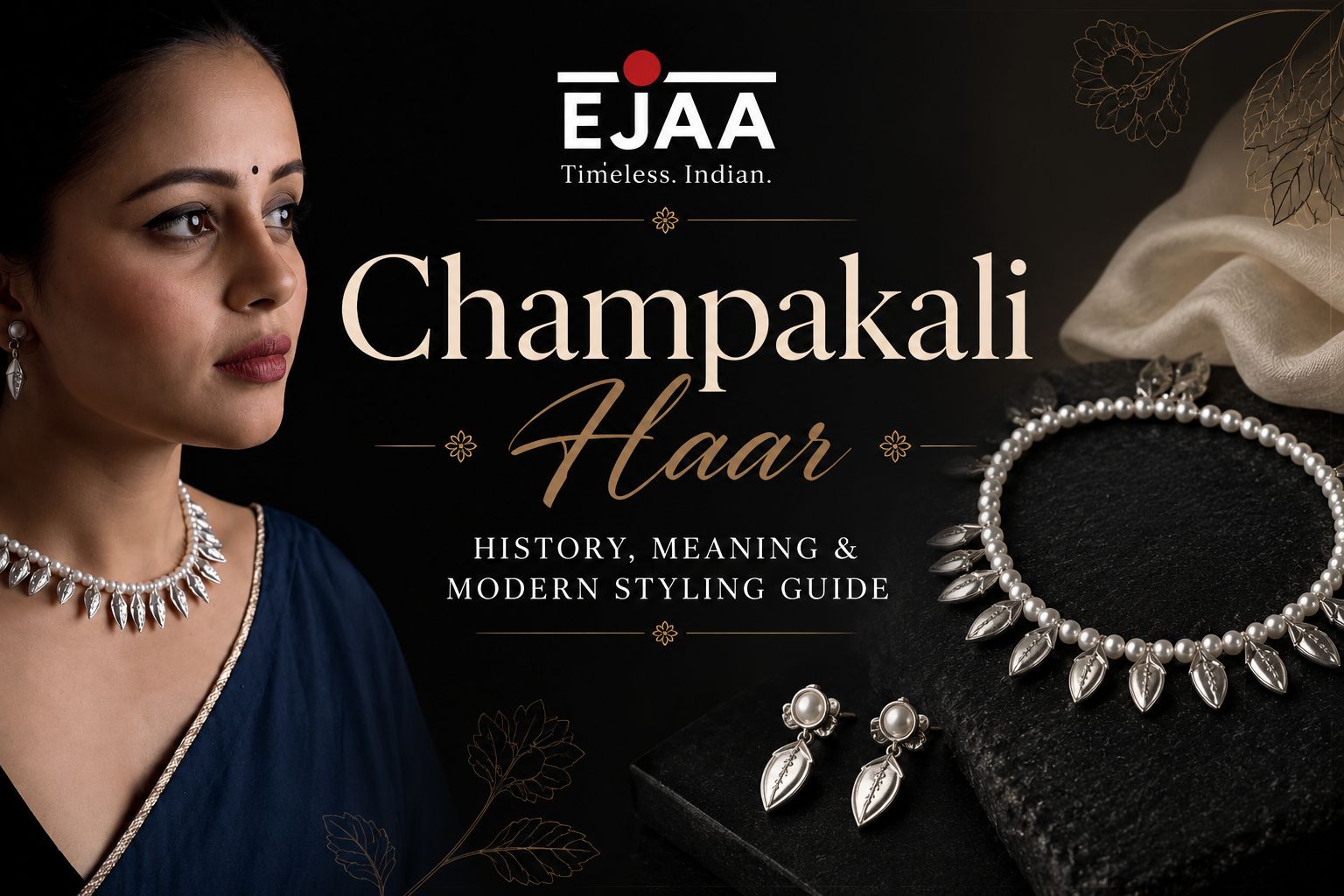
Champakali Haar: History, Meaning and Modern Styling Guide
 Traditional jewellery is more than an accessory-it tells a story of culture, craftsmanship, and identity. Among the most admired pieces in Indian heritage jewellery is the Champakali Haar, a necklace known for its distinctive floral-inspired design and timeless appeal. Today, this traditional ornament is making a strong comeback as women look for jewellery that combines heritage with contemporary style.
Whether you're exploring traditional silver jewellery or searching for a unique Champakali necklace to add to your collection, understanding its history and significance can help you make a more meaningful purchase.
What Is a Champakali Haar?
A Champakali Haar is a traditional necklace, champakali design is inspired by the shape of Champa flower buds. The necklace is typically crafted using a series of linked floral or bud-shaped elements arranged gracefully around the neck.
Traditionally worn during weddings, festivals, and cultural celebrations, the design has remained popular because of its elegant appearance and rich cultural roots. Modern versions are now available in silver, making them lighter, more versatile, and suitable for everyday styling.
The History Behind Champakali Jewellery
The origins of Champakali jewellery can be traced to traditional Indian jewellery-making techniques where nature served as a major source of inspiration. Floral motifs, especially the Champa flower, symbolized beauty, prosperity, and femininity.
In several regions of North India, handcrafted silver jewellery featuring floral designs became an important part of bridal and ceremonial wear. Over time, artisans adapted these traditional motifs into necklaces, earrings, and other ornaments that continue to be cherished today.
The enduring popularity of the Champakali haar reflects the appreciation for handcrafted jewellery that preserves cultural artistry while remaining relevant to modern fashion.
Why Is the Champakali Necklace Still Popular?
The growing demand for heritage-inspired jewellery has brought the Champakali necklace back into the spotlight.
Women today appreciate it because it offers:
-
A timeless traditional design
-
Unique handcrafted detailing
-
Versatile styling options
-
Strong cultural significance
-
Compatibility with both ethnic and fusion outfits
Unlike trend-driven jewellery that quickly goes out of fashion, a well-crafted Champakali necklace remains a long-term addition to any jewellery collection.
Champakali Haar in Silver: A Modern Choice
While traditional versions were often crafted using precious metals, silver has become one of the most preferred choices for modern buyers.
A silver Champakali haar offers several advantages:
-
Lightweight and comfortable to wear
-
Suitable for daily and occasional use
-
Easier to style with modern wardrobes
-
Timeless oxidised and handcrafted finishes
-
Better value while maintaining traditional appeal
Many women now choose silver versions because they deliver the beauty of heritage jewellery without feeling overly formal.
How to Style a Champakali Haar
One of the reasons the Champakali necklace remains relevant is its versatility.
For Traditional Outfits
Pair it with:
-
Sarees
-
Lehengas
-
Anarkalis
-
Pahadi traditional attire
The necklace naturally complements intricate embroidery and festive clothing.
For Contemporary Looks
Modern fashion lovers often style a Pahadi necklace with:
-
Solid-colored dresses
-
Linen kurtas
-
Indo-western outfits
-
Minimalist festive wear
The contrast between traditional craftsmanship and contemporary clothing creates a distinctive statement look.
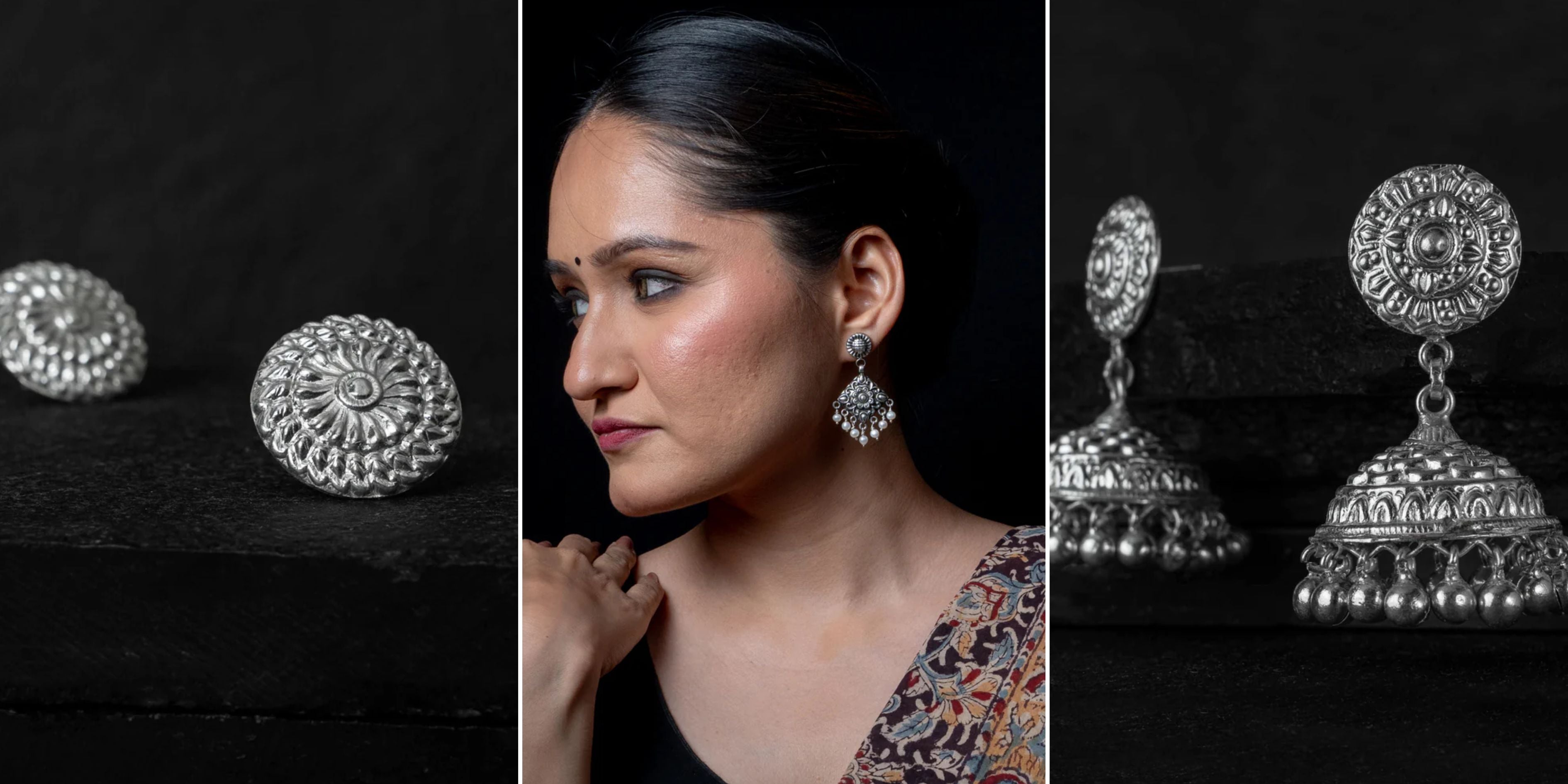
 For a polished and well-balanced look, pair your Champakali necklace with matching Champakali Silver Stud Earrings. The coordinated floral design creates a complete traditional jewellery set that works beautifully with sarees, lehengas, and festive outfits.
How to Choose the Right Champakali Haar
Before purchasing a Champakali necklace, consider:
Craftsmanship
Look for handcrafted details that highlight the floral motifs clearly.
Silver Purity
Choose certified 925 hallmarked silver whenever possible to ensure authenticity and quality.
Comfort
A necklace should sit comfortably around the neckline without feeling heavy.
Versatility
Select a design that can be worn across multiple occasions rather than only for weddings or festivals.
Why Heritage Jewellery Is Trending Again
Consumers today are increasingly choosing jewellery that has meaning rather than simply following fashion trends.
Pieces like the Champakali haar connect wearers to traditional craftsmanship, cultural stories, and artisan heritage. This shift toward authenticity is one reason why handcrafted silver jewellery is becoming more popular among younger buyers.
For many women, owning a traditional Pahadi necklace is not just about style-it's about preserving a piece of cultural identity.
Final Thoughts
The Champakali Haar beautifully represents the meeting point of tradition and modern fashion. Its floral-inspired design, cultural significance, and handcrafted artistry make it a timeless jewellery choice for women who appreciate meaningful accessories.
At Ejaa, we are committed to preserving the rich heritage of Pahadi silver jewellery through handcrafted designs that celebrate culture, craftsmanship, and individuality. Whether you're building a traditional collection or searching for a statement piece, a carefully crafted Champakali necklace remains a timeless investment.
FAQs
What is a Champakali Haar?
A Champakali Haar is a traditional necklace inspired by the shape of Champa flower buds and is known for its elegant floral design.
What is the difference between a Champakali Haar and a Champakali necklace?
Both terms are often used interchangeably. "Haar" generally refers to a traditional necklace style, while "necklace" is the broader modern term.
Is a Champakali Haar suitable for everyday wear?
Yes. Lightweight silver Champakali necklaces can be comfortably worn for everyday styling as well as special occasions.
How do I style a Champakali necklace?
It pairs beautifully with sarees, lehengas, kurtas, Indo-western outfits, and minimalist festive wear.
Is silver a good choice for a Champakali Haar?
Yes. 925 hallmarked silver offers durability, comfort, authenticity, and timeless appeal while preserving the traditional design.
Why is the Champakali Haar becoming popular again?
The growing interest in handcrafted jewellery, cultural heritage, and sustainable fashion has increased demand for traditional pieces like the Champakali Haar.