




Pahadi Jewellery in Bollywood and Mainstream India: Why Hill Craft is Having Its Moment

Bollywood has always set jewellery trends in India. But for decades, it leaned almost entirely on Kundan, Polki, and heavy Rajasthani gold work for its bridal and festive aesthetics. Pahadi craft barely featured.
That is changing slowly, but in ways that matter.
Mountain Narratives on Screen
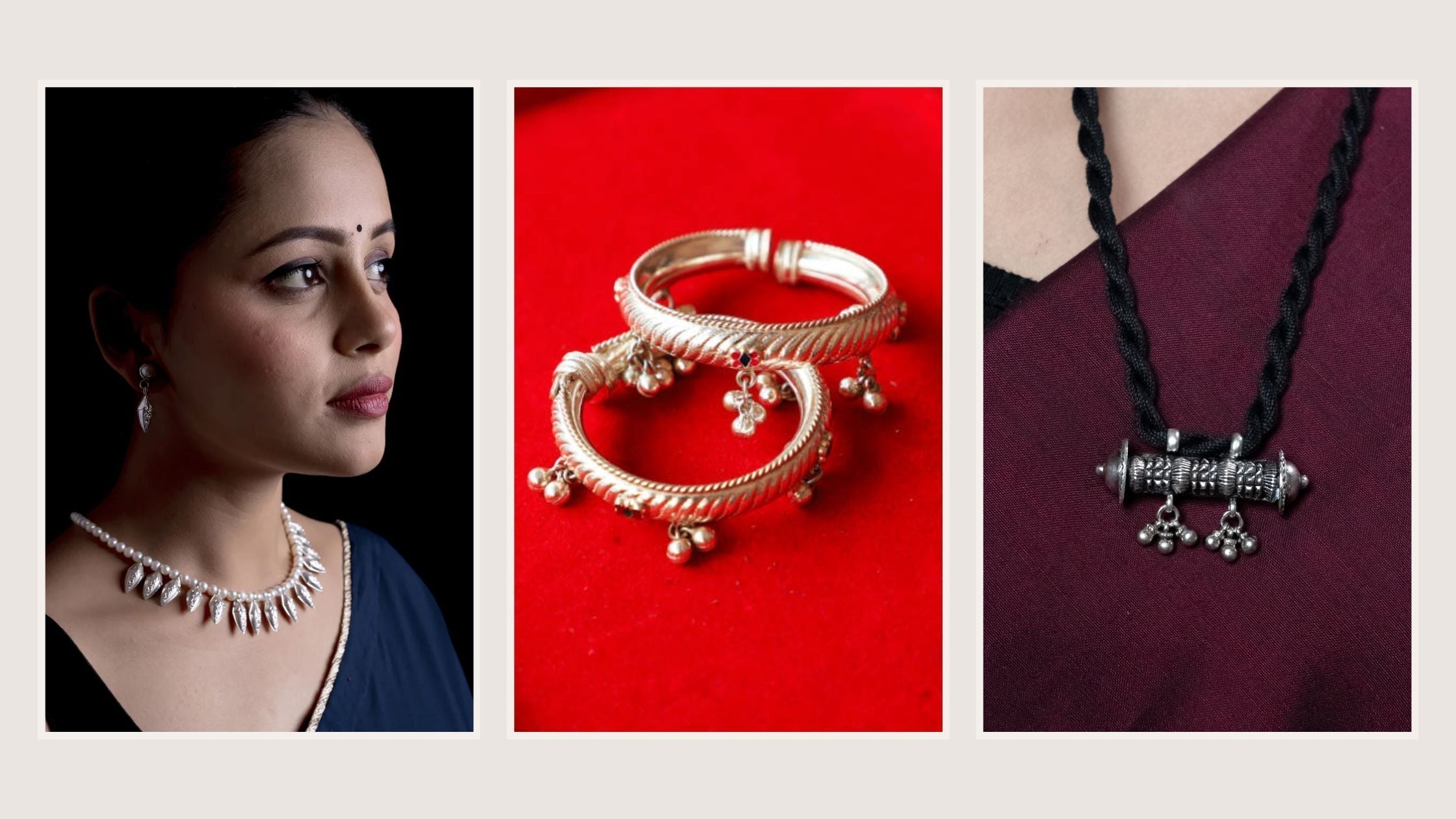
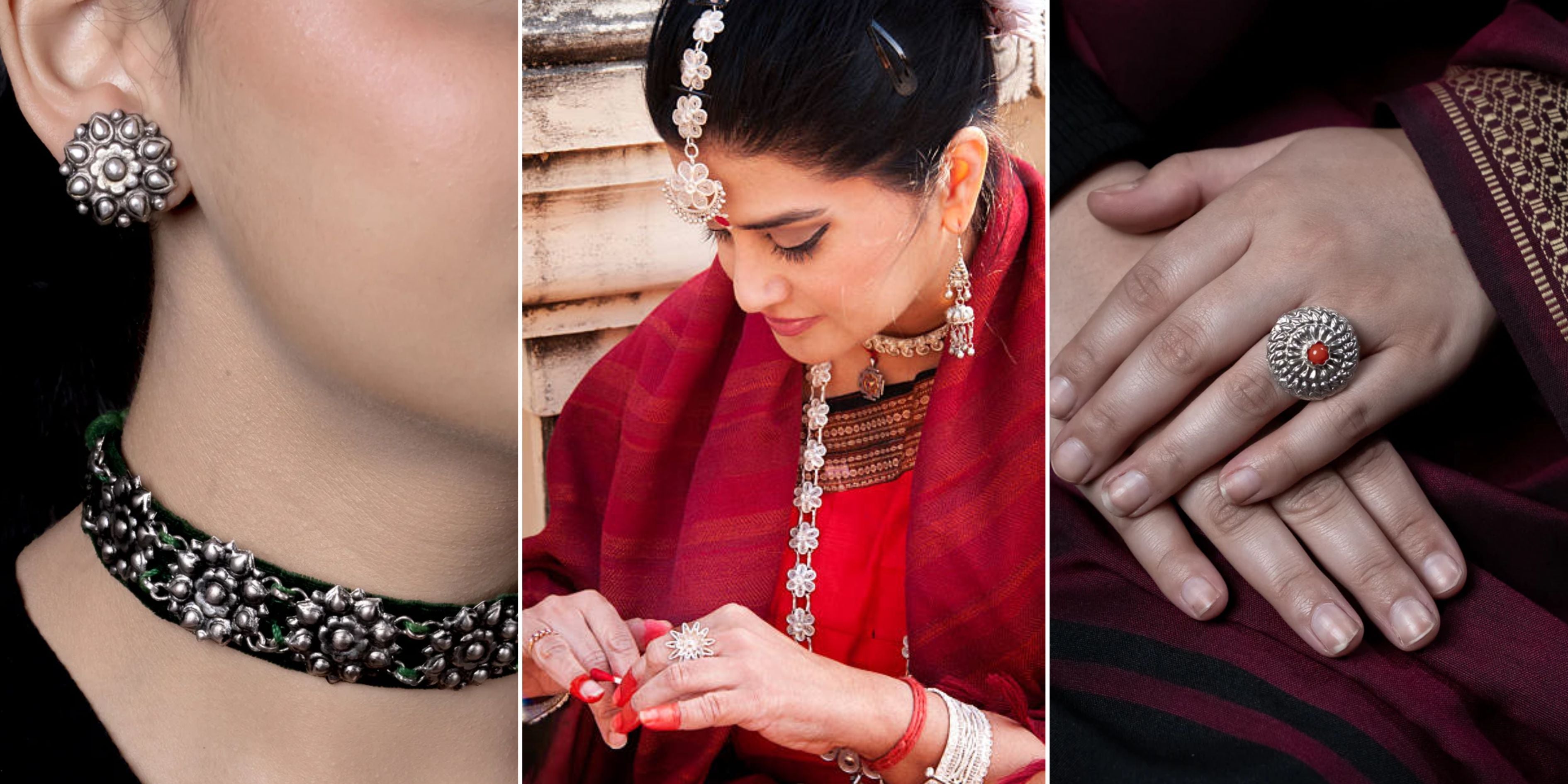
Films and web series set in the hills, stories rooted in Uttarakhand, Himachal, or Kumaon have brought Pahadi visual culture into living rooms across India. The costumes in these productions often feature traditional Pahadi jewellery: hasuli necklaces, heavy silver kada, and textured silver earrings. Viewers notice. Viewers search.
Celebrities Embracing Handcraft
Several Bollywood and fashion-adjacent celebrities have been spotted wearing oxidized silver and Pahadi-inspired pieces at events and on their personal social media particularly at mountain retreats, yoga festivals, and cultural gatherings in Uttarakhand.
It is not a formal endorsement. It is something more organic. These pieces fit a certain mood: grounded, conscious, culturally curious. And that mood is exactly where a significant slice of urban Indian culture is right now.
Why Urban India is Saying Yes to Pahadi Jewellery in 2026
Beyond Bollywood, there are deeper reasons this is trending.
1. The Backlash Against Generic
Fast fashion jewellery, the kind sold in bulk on e-commerce aggregators, has hit a wall of consumer fatigue. People are tired of wearing the same earrings as everyone else in the office. They want pieces that feel personal. That has provenance.
Pahadi jewellery is the opposite of generic. Each piece carries a regional identity, a craft tradition, and often a story that goes back generations.
2. The Silver Moment
Gold prices in 2024 and 2025 crossed thresholds that pushed even traditional gold-buyers toward silver. But this time, silver buyers were not settling; they were actively choosing silver for its aesthetic. The moon-like sheen of high-quality Pahadi silver is genuinely beautiful.
3. The Rise of Conscious Consumption
Gen Z and millennial buyers in India are asking better questions before they purchase. Who made this? Where does the craft come from? Is this ethically sourced? Pahadi jewellery brands that can answer these questions honestly are winning loyalty not just transactions.
4. Weddings are Getting Interesting
Indian weddings in 2026 are less monolithic than they used to be. Intimate celebrations, themed mehendis, mountain weddings, and heritage haveli ceremonies have created demand for jewellery that does not look like it belongs in a wedding hall catalogue. Pahadi pieces, a heavy silver hasuli, and a stack of pahuchi bracelets fit this new mood beautifully.

What Makes Pahadi Jewellery Different from Other Regional Crafts
India has extraordinary regional jewellery traditions, temple jewellery from the South, meenakari from Rajasthan, and dhokra from Bastar. What sets Pahadi craft apart is a combination of factors that speak to the current moment.
• Material: Pure silver, often oxidized, with a weight and feel that signals quality
• Design language: Geometric and nature-inspired motifs leaves, mountains, rivers drawn from the landscape itself
• Wearability: Traditionally made, lightweight, and adjustable for everyday hill life, which makes it exceptionally practical for modern urban wear
• Genderlessness: Many Pahadi pieces kadas, chains, simple earrings sit comfortably outside gendered dressing conventions
• Craft depth: Some designs are pulled from moulds that are hundreds of years old, giving each piece an almost archaeological weight
This combination of beauty, story, and practicality is hard to compete with.
The Brands Bringing This Craft to You
A new generation of boutique brands is doing the serious work of bringing Pahadi jewellery to mainstream Indian consumers without stripping it of its soul.
Ejaa is one of them. Founded by a third-generation Uttarakhand jeweller, the brand works directly with artisans, pulling from centuries-old craft traditions to create pieces that are timeless but never dusty. Genderless. Lightweight. Deeply rooted.
The kind of jewellery that your grandmother might have worn and your daughter will want to borrow.
This Trend Is Not Going Anywhere
What is happening with Pahadi jewellery in mainstream India is not a trend in the seasonal, here-today-gone-next-year sense. It is a revaluation.
Indian consumers especially urban, educated, culturally conscious ones are turning toward craft that carries memory. Toward materials that mean something. Toward pieces that could survive multiple generations if you take care of them.
Pahadi jewellery was always this. The rest of India is just catching up.

Frequently Asked Questions
Q1. Why is Pahadi jewellery suddenly trending in urban India?
The trend reflects a broader cultural shift toward craft, authenticity, and regional identity. Urban Indian consumers are moving away from mass-produced jewellery toward pieces that have a story and a maker. Pahadi jewellery with its deep roots in Kumaoni and Garhwali traditions fits exactly what this audience is looking for. The timing also lines up with a growing interest in hill culture, mountain travel, and conscious consumption.
Q2. Which Bollywood celebrities have worn Pahadi or Kumaoni jewellery?
While there has not been a single high-profile formal endorsement, several celebrities and fashion-forward personalities have been spotted in oxidized silver and Pahadi-inspired pieces particularly at mountain retreats, yoga festivals, and culturally themed events. The adoption has been organic rather than sponsored, which arguably makes it more meaningful as a trend signal.
Q3. What are the most iconic Pahadi jewellery pieces to start with?
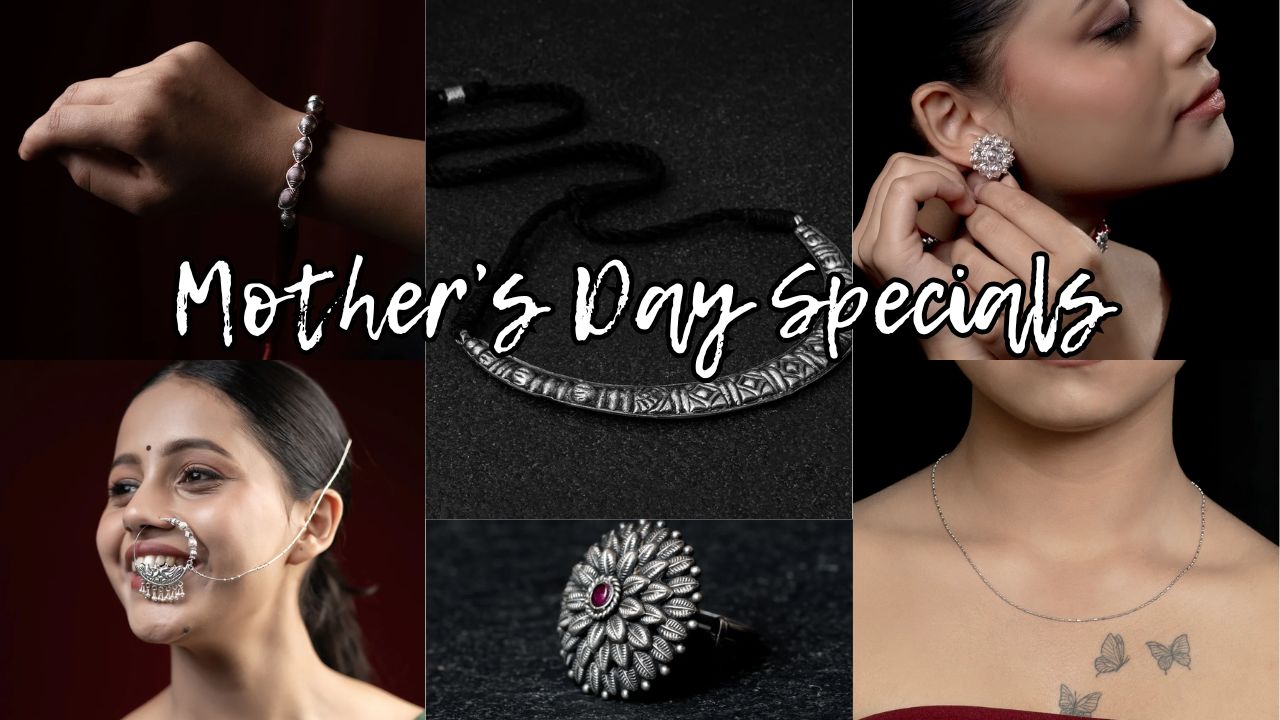
If you are new to Pahadi jewellery, a few classic starting points: the hasuli (a rigid silver necklace worn close to the collar), the pahuchi (traditional silver bracelet from Kumaon), heavy silver jhumkas with textured detailing, and oxidized silver chokers. These pieces are versatile enough to wear with both ethnic and contemporary outfits.
Q4. Is Pahadi jewellery suitable for everyday wear or only for special occasions?
One of the reasons Pahadi jewellery is rising in popularity is precisely because it was designed for everyday mountain life, lightweight, adjustable, and durable. Most well-crafted Pahadi silver pieces are entirely appropriate for daily wear, whether you are in office casuals, a weekend linen set, or dressed up for a festive occasion. The key is in choosing a brand that maintains the traditional craft quality.
Q5. How is Pahadi jewellery different from other Indian regional jewellery traditions?
Pahadi jewellery is distinctive in several ways: it is primarily silver (not gold), often oxidized, and inspired by the natural landscape of the Himalayas, geometric motifs, leaf forms, and river patterns. It also tends to be lighter and more wearable day-to-day compared to the heavier South Indian temple jewellery or ornate Rajasthani pieces. Perhaps most notably, much of it is genderless designed to be worn by anyone, which gives it a particular appeal to contemporary consumers.