




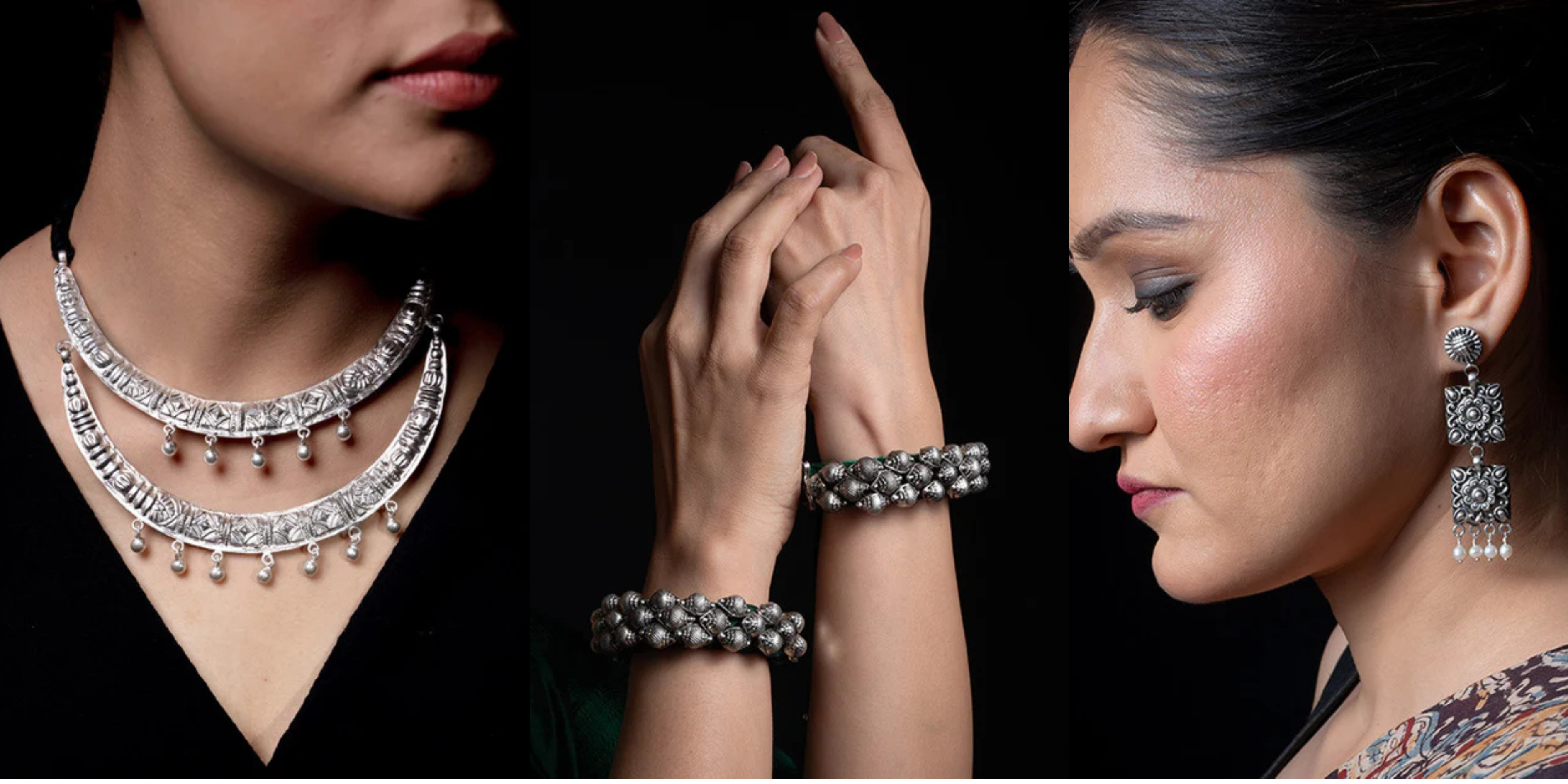
What Makes Pahadi Jewellery So Unique and Special?

Pahadi jewellery from Uttarakhand is more than just an accessory. It is a symbol of tradition, identity, and timeless beauty. Crafted mostly in pure silver, this jewellery reflects the cultural richness of the Garhwal and Kumaon regions.
For generations, women in the hills have worn these ornaments during weddings, festivals, and everyday life. Each piece tells a story. From the skilled hands of local artisans to the meaningful designs rooted in spirituality and heritage, Pahadi jewellery carries deep emotional and cultural value.
In today’s world, where fashion meets meaning, Pahadi silver jewellery is being embraced not just for its elegance but also for its soul.
Rich Cultural Heritage
Pahadi jewellery reflects the deep cultural roots of Uttarakhand. Each region has its traditional designs, inspired by the natural surroundings, local customs, and spiritual beliefs. These ornaments are closely connected to rituals, folk traditions, and milestones in a woman’s life.
Whether it is the bold Nathuli of a Garhwali bride or the layered Chandrahaar necklace worn during family ceremonies, every piece holds cultural significance. Wearing Pahadi jewellery is a way to stay connected to your heritage and honour the legacy of the hills.

1. Crafted in Pure Silver
One of the most defining features of Pahadi jewellery is its use of pure silver. In the mountain regions of Uttarakhand, silver is more than a precious metal. It is believed to have spiritual and healing qualities. It is used in rituals, gifted during weddings, and worn for protection.
Silver also holds a practical value in the hills. Its cooling properties make it comfortable to wear in every season, and its strength makes it ideal for long-lasting pieces. Choosing pure silver adds both value and authenticity to every ornament.
2. Handmade by Local Artisans
Pahadi jewellery is made entirely by hand. Skilled local artisans use traditional tools and techniques that have been passed down through generations. Every curve, clasp, and detail is shaped with patience, precision, and pride.
These artisans are not just craftsmen. They are keepers of a living tradition. Their work brings life to designs that have remained unchanged for centuries. When you wear handmade Pahadi jewellery, you are wearing something truly one of a kind.
3. Symbolic and Timeless Designs
The beauty of Pahadi jewellery lies in its meaning. Each ornament is symbolic and often tied to personal or cultural milestones. The Nathuli represents marital pride. The Galobandh is worn for protection and grace. The Chandrahaar carries royal and spiritual energy.
These designs are passed down from mothers to daughters, creating a sense of belonging and continuity. They are not just decorative. They are emotional heirlooms that connect generations of women through shared stories and values.
Popular Types of Traditional Pahadi Jewellery
The beauty of Pahadi jewellery lies in its variety. Each ornament serves a unique purpose and carries its own cultural importance.
Pahadi nath
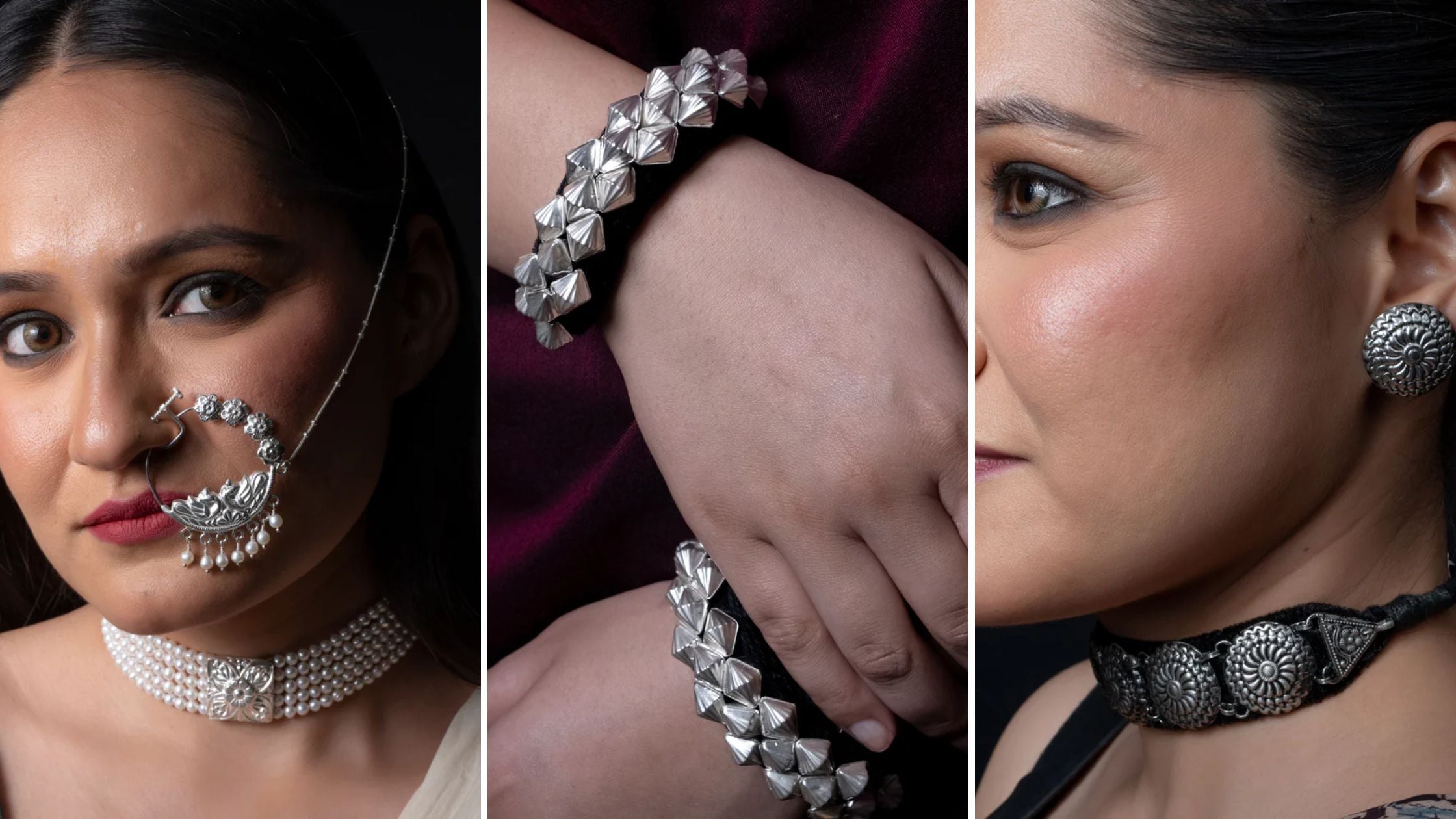
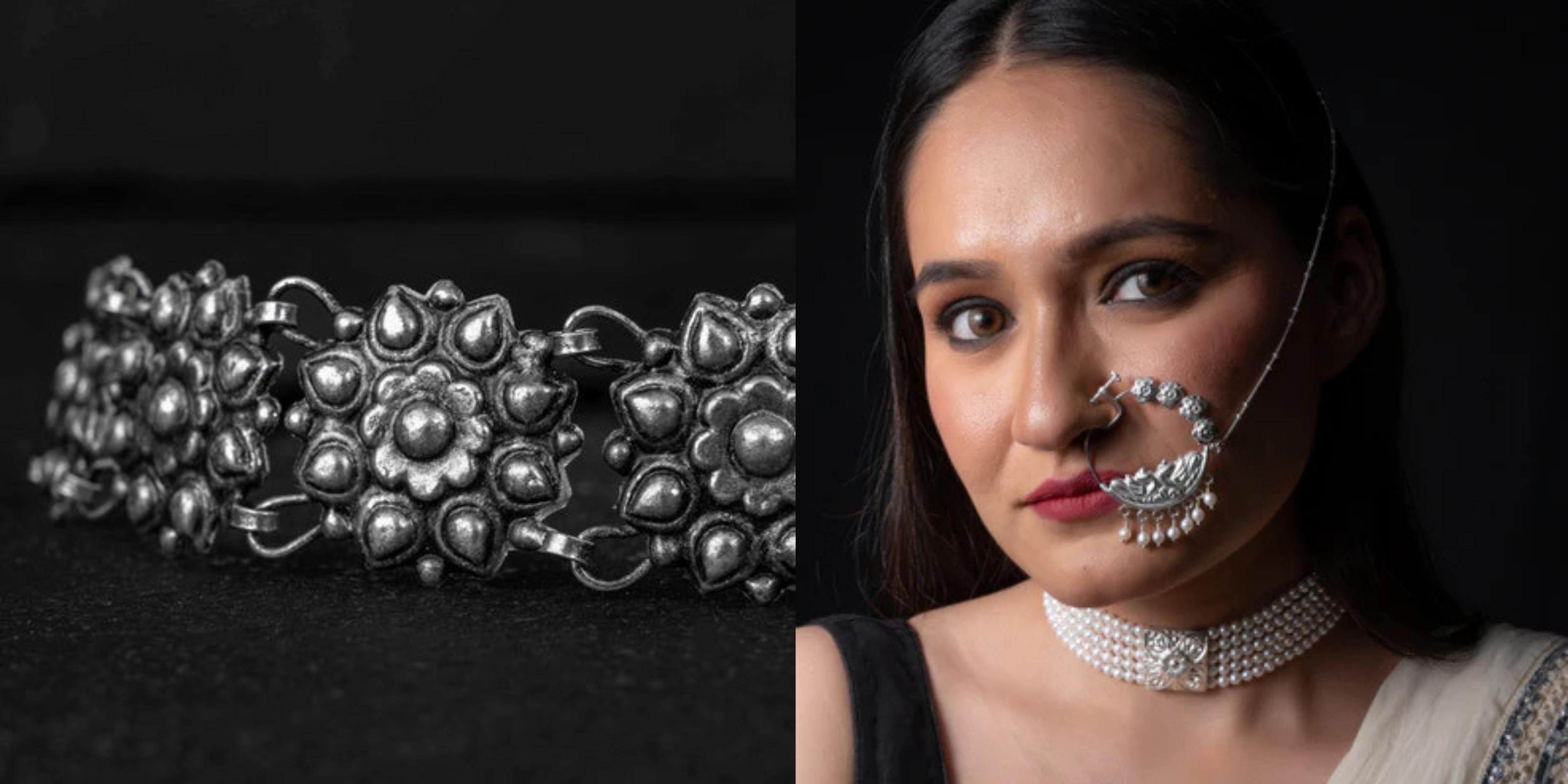
The Pahadi Nath is a traditional nose ring often worn during weddings and special occasions. It is considered one of the most recognizable symbols of Pahadi bridal attire and represents grace, prosperity, and marital bliss.
Guluband
A Guluband is a close-fitting necklace traditionally worn around the neck. Crafted with intricate silver work and decorative elements, it remains one of the most popular jewellery pieces among women from Uttarakhand.
Hansuli
The Hansuli is a rigid silver neck ornament known for its bold appearance and elegant design. Traditionally worn during festivals and ceremonies, it symbolizes strength and cultural pride.
Pahuchi
Pahuchi refers to traditional bracelets or bangles worn by women. These beautifully crafted ornaments often feature detailed patterns inspired by nature and local traditions.
Chandrahaar
The Chandrahaar is a multi-layered necklace associated with celebrations and important family occasions. Its elaborate design reflects the artistic excellence of Himalayan craftsmen.
Matarmala
Matarmala necklaces are characterized by bead-like silver elements arranged in elegant layers. These ornaments are often worn during weddings and religious ceremonies.
4. Versatile for Modern Style
While rooted in tradition, Pahadi silver jewellery fits beautifully into modern wardrobes. Many women today wear a Galabandh choker with a cotton saree, or pair bold silver earrings with western outfits. The balance of boldness and elegance makes these pieces easy to style for any occasion.
Whether it is a festive celebration or a simple day at work, Pahadi jewellery adds a touch of heritage and individuality. It helps women express both their roots and their personality through timeless design.

5. Supports Local Communities
Every piece of Pahadi jewellery supports a real artisan, a family, and a tradition. When you choose handmade silver jewellery from Uttarakhand, you are contributing directly to the local economy and helping keep the craft alive.
This also makes Pahadi jewellery a sustainable and ethical choice. It is slow fashion at its best, handcrafted, meaningful, and rooted in real stories. By supporting local craftspeople, you become part of a movement that values culture and community over mass production.
How to Identify Authentic Pahadi Silver Jewellery
As demand grows, buyers should know how to recognize genuine Pahadi jewellery.
Hallmarked Silver
Authentic silver jewellery should carry a 925 hallmark whenever applicable.
Handmade Details
Traditional handcrafted pieces often display unique patterns and slight variations that machine-made products cannot replicate.
Artisan Craftsmanship
Genuine Pahadi jewellery showcases intricate detailing and exceptional finishing.
Trusted Sellers
Purchase from reputable brands and artisans who specialize in authentic Uttarakhandi jewellery.
Why Pahadi Jewellery Is Gaining Popularity Again
In recent years, traditional jewellery styles have experienced a revival. Several factors are contributing to the renewed interest in Pahadi jewellery:
-
Growing appreciation for handcrafted products.
-
Rising demand for sustainable fashion.
-
Increased awareness of regional Indian heritage.
-
Desire for meaningful and culturally rooted accessories.
-
Social media exposure showcasing traditional craftsmanship.
Consumers today are increasingly choosing jewellery that tells a story, and Pahadi jewellery perfectly meets that expectation.
Conclusion
Pahadi jewellery is a celebration of culture, craft, and womanhood. It carries the voice of the mountains, the skill of the artisans, and the heart of the women who wear it. From its rich heritage to its modern appeal, every piece has a purpose and a story.
At Ejaa we are proud to bring this tradition to you in its purest form. Whether you are exploring your roots or simply drawn to meaningful jewellery, Pahadi silver jewellery offers something truly special.
Wear it with pride. Share its story. And keep the tradition alive.
Frequently Asked Questions (FAQs)
1. What is Pahadi jewellery?
Pahadi jewellery refers to traditional ornaments from the Himalayan regions of Uttarakhand, particularly Kumaon and Garhwal. These handcrafted pieces are known for their silver craftsmanship, cultural significance, and unique designs.
2. Why is silver commonly used in Pahadi jewellery?
Silver has historically been preferred in mountain communities because of its accessibility, cultural importance, and association with purity, prosperity, and protection.
3. Which are the most popular types of Pahadi jewellery?
Some of the most popular traditional ornaments include Nathuli, Guluband, Hansuli, Pahuchi, Chandrahaar, and Matarmala.
4. How can I identify authentic Pahadi silver jewellery?
Look for silver hallmarks, handcrafted detailing, artisan workmanship, and purchase from trusted sellers specializing in traditional Uttarakhandi jewellery.
5. Is Pahadi jewellery suitable for modern fashion?
Yes. Traditional Pahadi jewellery pairs beautifully with ethnic wear, fusion outfits, and even contemporary fashion, making it highly versatile for modern styling.