






Silver Coin Price: What Determines the Price of a Silver Coin?

The silver coin Price is approximately ₹260 per gram, or around ₹2,60,000 per kilogram, as per national averages, but this is subject to change daily and varies slightly by city and dealer. This rate is the raw market value of silver, not what you'll actually pay for a finished silver coin. Retail silver coins typically are priced higher than the raw silver weight they contain, as purity, design, manufacturing, and taxes all contribute to the final price.
Understanding this difference is the key to knowing whether a coin's price is fair. Below is a breakdown of how silver coin pricing actually works, along with a real retail example.
Silver Rate in India
-
Approximate rate: ₹260 per gram
-
10-gram silver rate: around ₹2,600
-
Per kg: around ₹2,60,000
-
Rates exclude GST, making charges, and city-specific premiums, and change daily based on global commodity prices and rupee movement
Always check the current silver rate before buying in India, since even a same-day price can shift.
Market Value vs Retail Price of a Silver Coin
The market rate tells you what raw silver is worth by weight. The retail price of a silver coin is what a seller actually charges, and it's almost always higher.
-
Market value = silver rate × coin weight
-
Retail price = market value + purity premium + making charges + GST + seller margin
A coin's true silver coin worth, in resale terms, is usually closer to the market value than the retail price, which is why buy-back rates are typically lower than what you originally paid.
What Determines a Silver Coin's Final Price
Reasons why a 999 fine silver coin is not usually priced at just "weight x rate" are manifold.
-
Purity: 999 fine silver is worth more than 925 sterling silver
-
Weight: Larger coins cost more in absolute money, but the rate per gram may go down a bit
-
Design and craftsmanship: Detailed, sacred or festive motifs increase the manufacturing cost
-
Making charges: Include minting, finishing, and quality control.
-
Taxes: GST is levied on the value of silver
-
Seller Pricing: The final price of chandi ka sikka is affected by brand positioning and packaging

Neem Karoli Baba Silver Coin by Ejaa
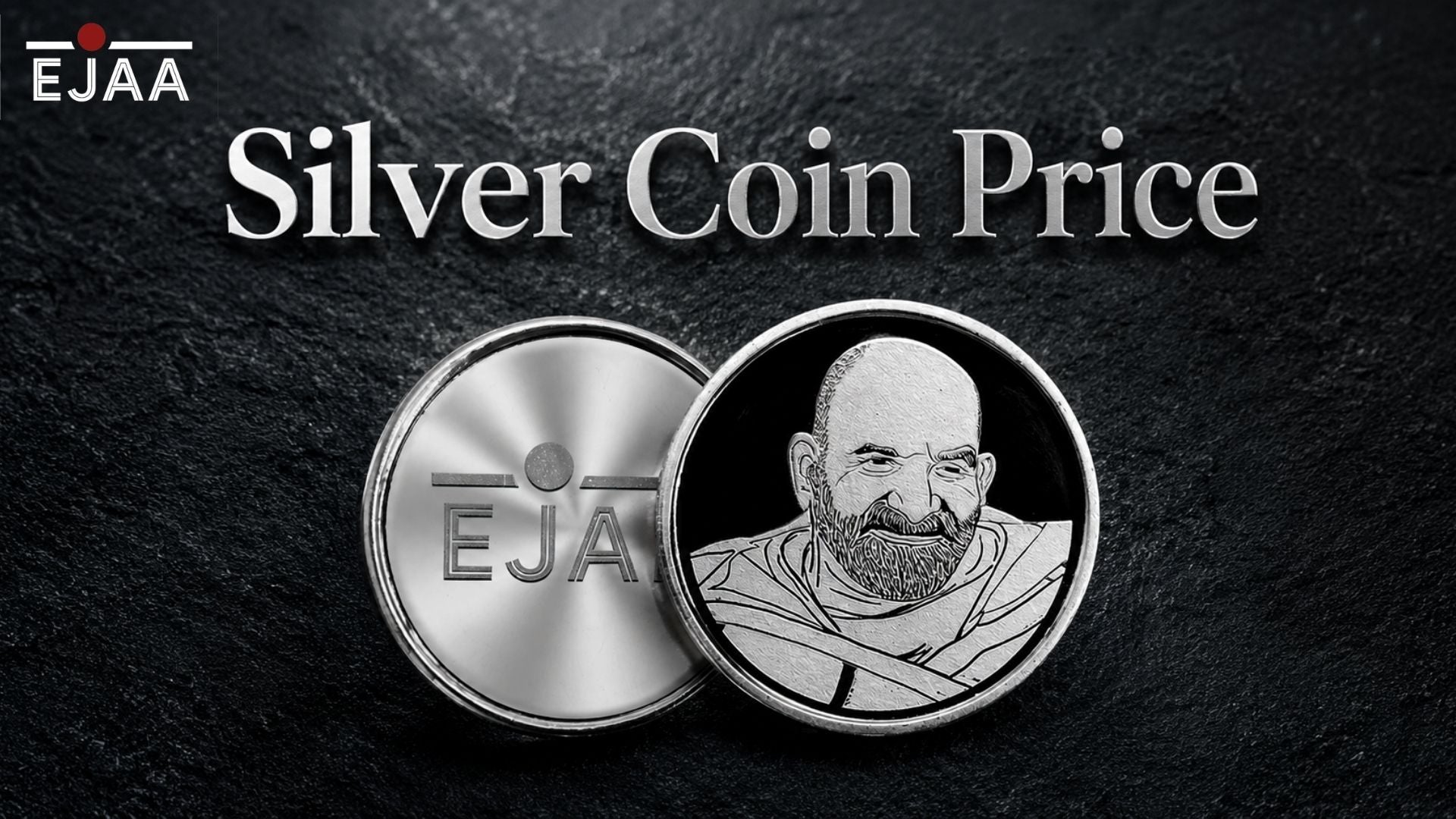
Ejaa currently sells the Neem Karoli Baba Silver Coin, crafted in 999 fine silver, as a real-world example of how retail pricing works. This is the product's listed selling price, not the market price of silver.
-
5 grams: ₹2,100
-
10 grams: ₹3,900
-
50 grams: ₹19,000
Compared to the raw market value (roughly ₹1,300 for 5 grams), the difference reflects purity, sacred design detailing, and manufacturing, not the silver rate itself.
Final Thoughts
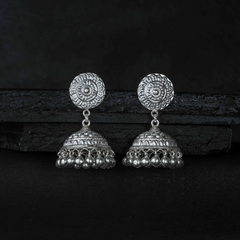
Silver coin pricing isn't just about the day's market rate; it's shaped by purity, craftsmanship, and the seller's own pricing. Ejaa's Pahadi Silver Jewellery, handcrafted in Uttarakhand, is one example of how design and intent factor into a retail price that goes beyond raw silver value.
FAQs
What is the silver rate in India?
As of 27th August 2026, silver is trading around ₹260 per gram in India, though rates change daily and vary by city.
Why does a silver coin cost more than its market value?
Because retail pricing includes purity premiums, making charges, GST, and seller margin, on top of the raw silver rate.
How can I check if a silver coin is genuine?
Look for hallmarking (999 or 925) and buy from sellers who clearly state purity and weight.
What's the difference between 999 and 925 silver coins?
999 refers to fine silver (99.9% pure), while 925 sterling silver contains 92.5% silver alloyed with other metals for durability.
Are silver coins a good gifting option?
Yes, silver coins are commonly gifted during festivals and milestones, especially those with religious or symbolic designs.
How is the price of silver coins established?
The coin's price is determined by multiplying its weight by its current silver rate, then adding purity, making charges, GST, and seller margin.
Does the silver rate apply to both coins and jewellery?
Yes, both coins and jewellery are based on the same daily silver rate, but jewellery pricing often includes higher making charges for design and craftsmanship compared to a plain coin.