




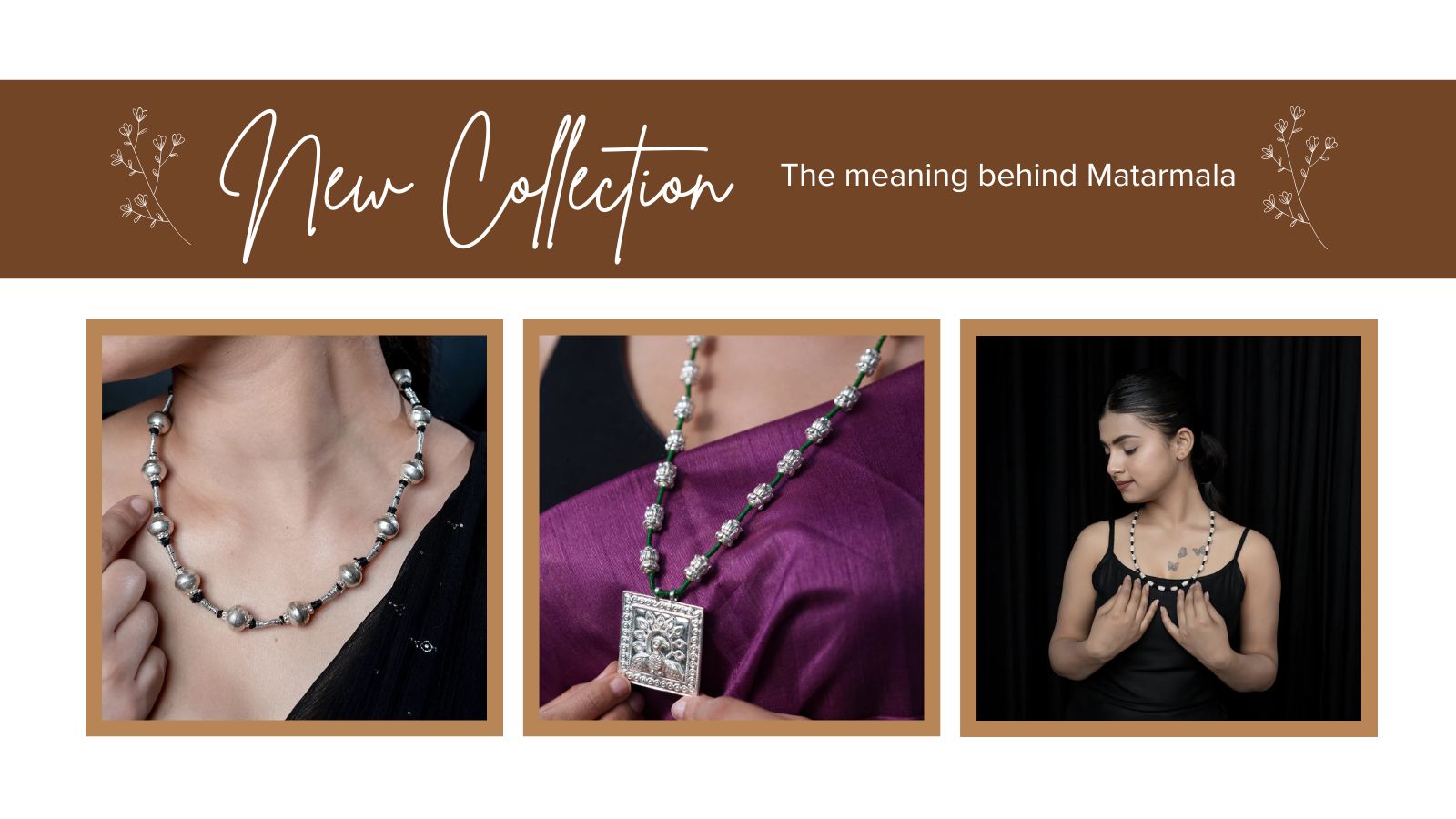
What is Matarmala? A Deep Dive into Uttarakhand's Sacred Necklace

A matarmala is a traditional silver bead necklace from the Pahadi communities of Uttarakhand, worn close to the throat and passed down through generations as a wedding and festival heirloom. The name comes from matar (beads or seeds) and mala (garland), literally translating to "a garland of beads." Rooted in Kumaoni and Garhwali tradition, it's typically crafted in pure silver and worn during weddings, festivals, and pujas, often carrying the identity and memory of the women who wore it before. Today, the matarmala has moved beyond occasion-only wear into everyday styling, worn with kurtas, sarees, and even simple western outfits.
This guide explores what a matarmala is, what it means culturally, and how it's worn today.
What is a Matarmala Necklace?
The word matarmala breaks down simply as matar (beads or seeds) + mala (garland or necklace). Put together, it's a "garland of beads," typically crafted in silver, strung together in careful, repeating patterns close to the throat.
But the name barely captures what it is.
The matarmala is a sacred necklace from the Pahadi tradition of Uttarakhand. It's worn by women during auspicious occasions, weddings, festivals, and pujas and in many families, it's gifted as an heirloom, carrying the weight of the women who wore it before.
Matarmala Meaning in Uttarakhand Culture
In Uttarakhand, jewellery isn't just decorative. Each piece has a reason for existing.
The matarmala has deep roots in Kumaoni and Garhwali culture, where adorning the throat was considered both auspicious and protective. Wearing silver close to the body was believed to carry spiritual significance; silver, in Pahadi belief, is pure, cooling, and sacred.
Here's what makes matarmala particularly meaningful:
-
It signals an occasion: traditionally worn during weddings, religious ceremonies, and harvest celebrations.
-
It marks identity: the specific design of a woman's matarmala could hint at her region, community, or family.
-
It holds memory: many mataramalas are passed from mothers to daughters, becoming emotional heirlooms rather than mere accessories.
In the hills, what you wear tells people who you are, where you come from, and who came before you.

What Does a Pahadi Matarmala Look Like?
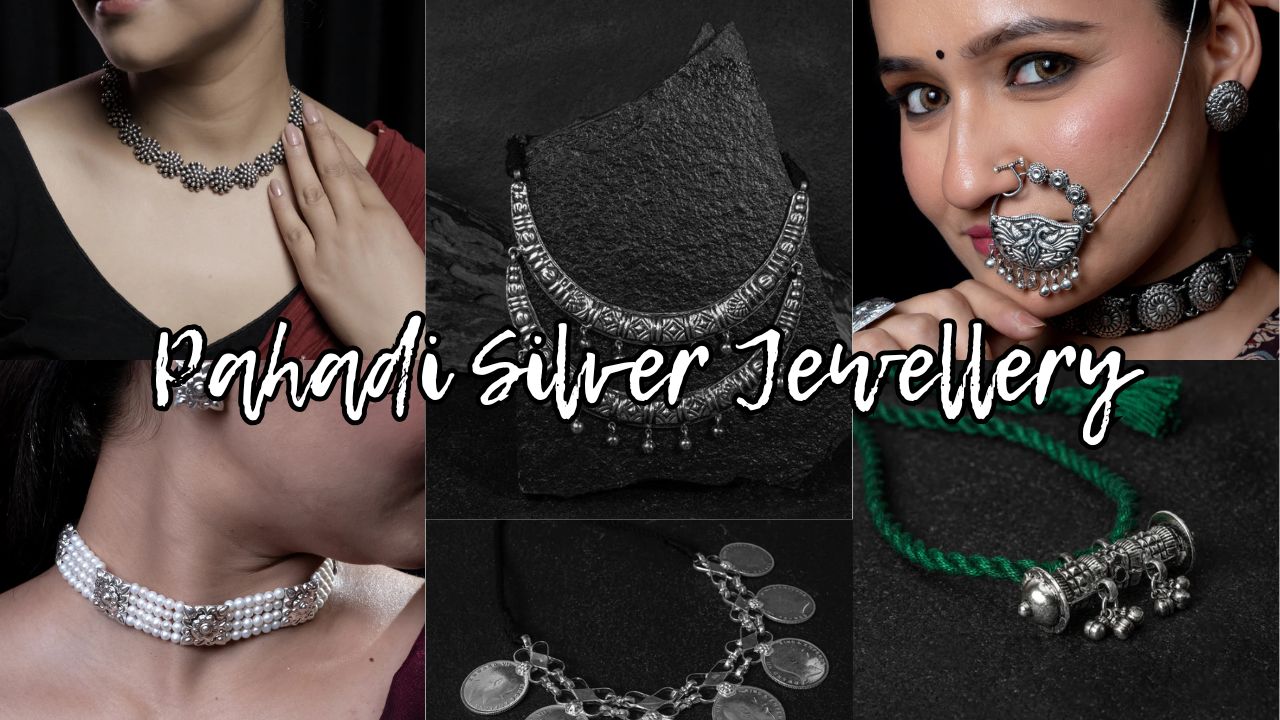
The classic pahadi matarmala silver design is deceptively simple and entirely intentional.
Imagine small, rounded silver beads sometimes shaped like seeds, sometimes like wheat grains (jau) strung tightly together into a sleek, close-fitting necklace. The beads catch light as they move, giving a gentle shimmer that feels earthy rather than flashy.
Key design features of a traditional matarmala:
-
Pure silver: almost always 92.5 sterling silver in authentic pieces
-
Bead-forward design: the beads are the statement, not just a chain
-
Close-fitting, near the collarbone: not a long pendant necklace; it sits like a second skin
-
Thread or silver chain fastenings: traditional pieces used handwoven threads, adding texture and warmth
-
Oxidized or polished finish: oxidized silver gives it an antique depth; polished silver makes it contemporary
What's beautiful about it is the restraint. No heavy pendants. No gemstones shouting for attention. Just clean, rhythmic beadwork that speaks quietly and confidently.
Matarmala Across Kumaon and Garhwal
Uttarakhand's two main cultural regions, Kumaon and Garhwal, both have their own relationship with the matarmala, though the core identity stays the same.
In Kumaon
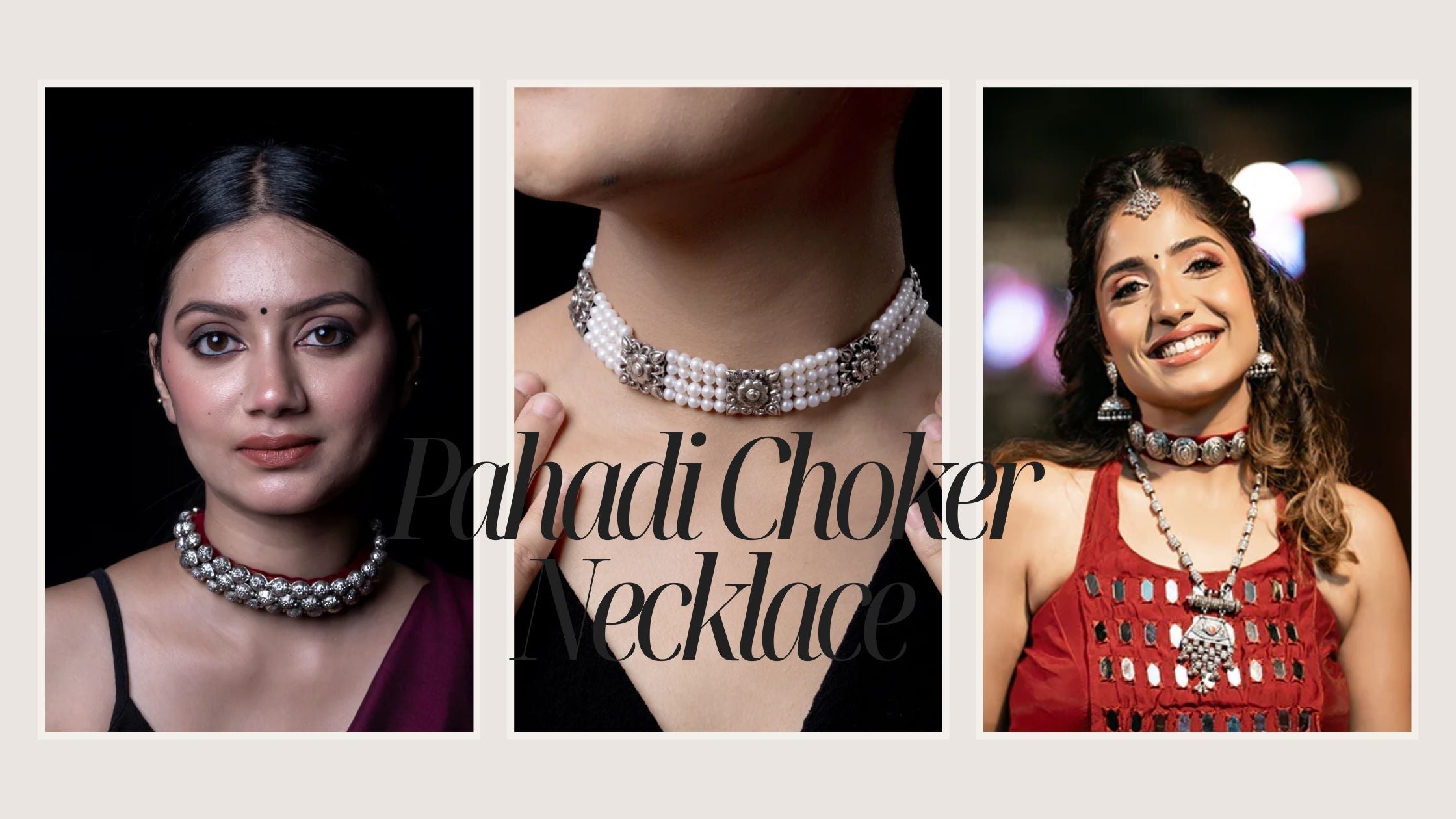
The Kumaoni matarmala tends to be slightly heavier in feel, often worn as part of a layered set alongside a guluband (a choker-style necklace) or a tilhari pendant. Bridal sets in Kumaon frequently feature the matarmala as the foundational piece.
In Garhwal
The Garhwali interpretation leans toward finer, more delicate beadwork. It's often worn for daily festive occasions and paired with other traditional pieces. The layering culture here is deeply ingrained the matarmala sits beneath, anchoring everything else.
Both regions share the belief that silver jewellery, especially pieces like the matarmala, carries protective and auspicious energy for the wearer.
How to Style a Matarmala Today
Here's the thing: the matarmala doesn't belong locked in a jewellery box, waiting for a wedding.
It's incredibly wearable. The clean bead-forward design means it moves across contexts with ease.
Everyday looks:
-
Pair with a simple cotton kurta for that effortless "Pahadi meets minimalist" vibe
-
Layer over a white shirt for a subtle traditional statement at work
-
Wear solo with a saree, no pendant needed
Festive and ceremonial:
-
Layer with a guluband and tilhari for a full Pahadi bridal look
-
Wear stacked two or three mataramalas of different lengths for depth
-
Let it be the centrepiece; keep other jewellery minimal
The matarmala works because it doesn't try too hard. It trusts its own craft.

Why Pahadi Matarmala Silver Matters Right Now
We're living in a moment where craft heritage is having its comeback, and rightly so.
For decades, traditional Pahadi jewellery was being quietly replaced by mass-produced
gold-plated pieces with no story. The matarmala, the guluband, and the tilhari were getting lost.
But something is shifting. More and more people, both from the Pahadi community and beyond, are reaching back toward pieces that mean something. Pieces made with hands that learned from hands that learned from hands.
Choosing a Pahadi matarmala silver necklace today is a small act of cultural
preservation. It keeps the craft alive. It keeps the craftspeople employed. And honestly, it looks extraordinary.
Explore Ejaa's Matarmala Collection
At Ejaa, every matarmala is made from pure 92.5 silver, using moulds that are over 200 years old. Each bead is handcrafted by artisans who have inherited this skill, not learned it from a manual, but absorbed it through years of watching and doing.
Whether you're looking for the Jau Matarmala (wheat grain-inspired beads) or another design from the collection, you're not just buying a necklace. You're wearing a piece of Uttarakhand's living heritage.
Frequently Asked Questions
Q1. What is a matarmala necklace, and who wears it?
A matarmala is a traditional Pahadi necklace from Uttarakhand, made of silver beads strung together close to the throat. It is traditionally worn by women from the Kumaoni and Garhwali communities during weddings, festivals, and religious occasions. Today, it's increasingly worn as an everyday heritage statement piece.
Q2. What does matarmala mean in Uttarakhand?
The word matarmala comes from matar (beads/seeds) and mala (garland/necklace), literally a "garland of beads." In Uttarakhand culture, it also carries a deeper meaning as a symbol of auspiciousness, identity, and familial heritage passed from one generation to the next.
Q3. Is Pahadi matarmala silver always made of pure silver?
Authentic Pahadi matarmala necklaces are made from pure 92.5 sterling silver. This is important both for quality and traditional silver, which holds cultural and spiritual significance in Pahadi culture. Always check for 92.5 hallmarking when purchasing.
Q4. How is matarmala different from other Uttarakhand necklaces like guluband or tilhari?
The matarmala is a bead necklace worn close to the collarbone. The guluband is a broader choker, often with gold work on velvet. The tilhari typically refers to a pendant piece. All three can be layered together for a traditional Pahadi bridal or festive look.
Q5. Can I wear a matarmala necklace with modern outfits?
Absolutely. The clean, minimalist design of the matarmala makes it highly versatile. It pairs beautifully with kurtas, sarees, and even simple dresses or shirts. Many women layer it with contemporary clothing as a way to carry their cultural identity into everyday style.