




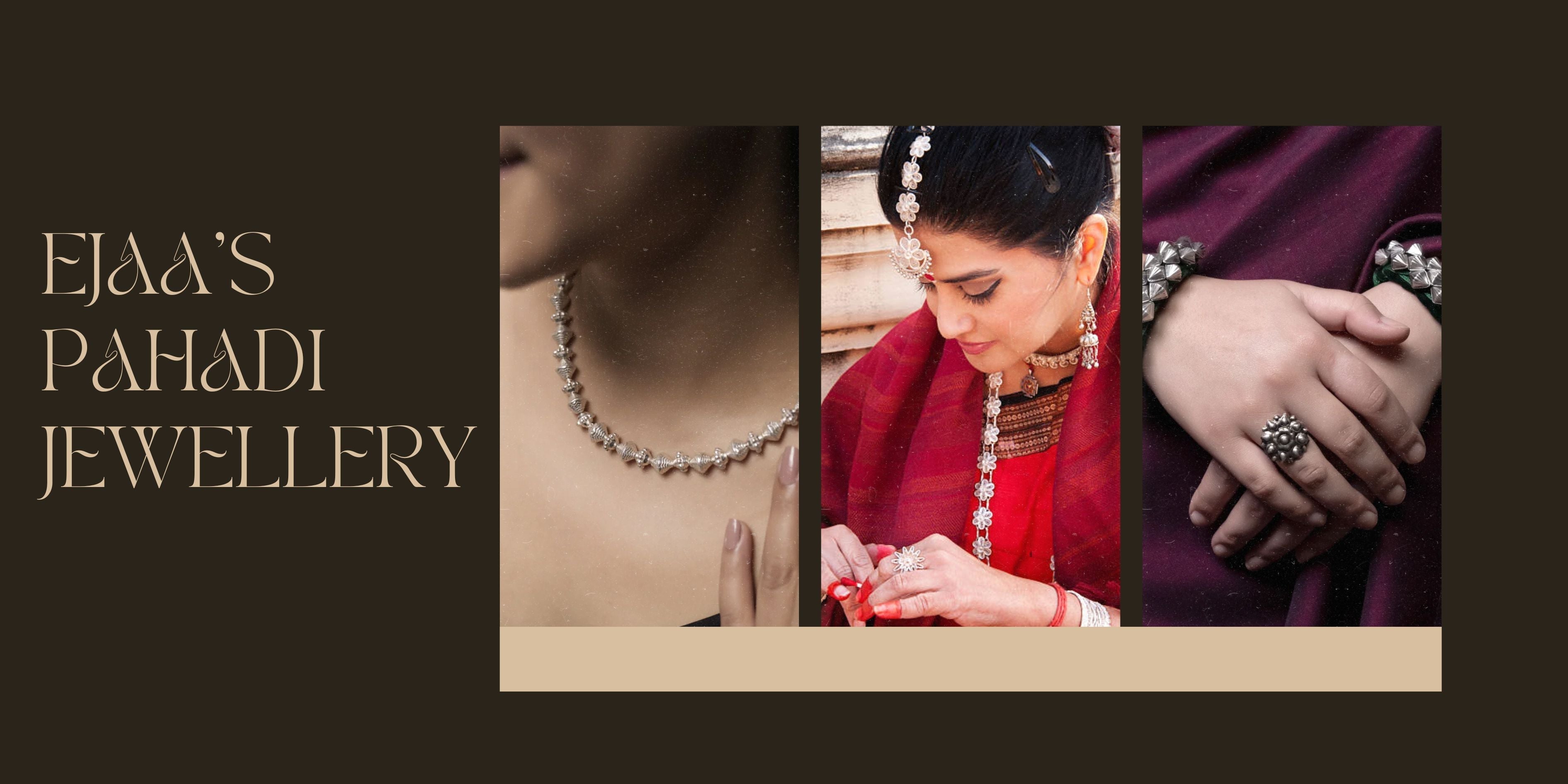
Meet the Artisans: The Silver Craftsmen Behind Ejaa's Pahadi Jewellery

There's a particular kind of quiet that fills a silversmith's workshop. The faint tap of a hammer. The soft scrape of a file. A mould that has been used for two hundred years, still warm from the craftsman's hands.
This is where Ejaa's jewellery begins, not in a design software, not on a mood board. It begins here, in the workshops of Pahadi jewellery artisans in Uttarakhand, who have inherited a craft so precise, so personal, that no machine can replicate it.
If you've ever held an Ejaa piece and felt something you couldn't quite name, this is the story behind that feeling.
The People Who Make It All Possible
Ejaa is rooted in Haldwani, a town nestled at the foothills of the Kumaon Himalayas. And it's here that the brand's network of silver craftsmen in Uttarakhand quietly do what their families have done for generations.
These aren't factory workers following a template. They are karigar artisans who learned their trade by watching their fathers, who watched theirs. Many of them began as children, sitting cross-legged beside a senior craftsman, handed a file and told to "feel it" before they ever learned to "do it."
Their knowledge lives in their fingers, not in any instruction manual.
What It Actually Means to Handcraft Pahadi Jewellery
Here's something most people don't know: when Ejaa says "handcrafted," every word of that is load-bearing.
Understanding how Pahadi jewellery is handcrafted means understanding a process that hasn't changed much in two centuries, and that's precisely the point.
Step 1: The Mould
Ejaa works with moulds that are over 200 years old, retrieved from family archives and ancestral tool collections. These moulds carry the geometry of traditional Kumaoni and Garhwali design shapes that were never drawn on paper, just passed down through use.
Each mould is prepared carefully before any silver is involved. The craftsman inspects it, cleans it, and sometimes repairs it. The mould itself is a kind of memory.
Step 2: The Silver
Only 92.5 hallmark pure silver is used. The metal is weighed, melted, and brought to the right temperature, something experienced artisans judge not by instrument, but by the colour of the molten metal and the way it flows.
It sounds almost mystical. It's actually years of practice that made muscle memory.
Step 3: Casting and Shaping
The silver is poured or pressed into the mould. What comes out is a raw form of beautiful, but not yet jewellery. The artisan then begins the real work: filing down rough edges, pressing details into definition, shaping curves by hand.
No two pieces are identical. The slight irregularities you notice in an Ejaa piece? Those aren't flaws. They're signatures.
Step 4: Finishing Oxidised or Polished
The final stage is finished. Artisans choose between an oxidised finish (darker, antique-toned, drama-forward) or a polished finish (bright, clean, classic). Both require different techniques. Both are done entirely by hand.
The handwoven thread chains that fasten many Ejaa pieces are also crafted locally, a detail that most buyers never think about, and every artisan takes quiet pride in.

The Craft Is the Story, Not Just the Product
Ejaa's founder comes from a family of jewellers, third generation. That heritage isn't a marketing line; it's the reason this level of artisan partnership exists at all.
When Ejaa artisans in Haldwani work on a piece, they're not just executing a brief. They're participants in a conversation between the past and the present. Ejaa brings the design intent, the cultural research, and the contemporary eye. The karigar brings the irreplaceable: their hands, their instinct, their lineage.
One customer once wrote about receiving an Ejaa piece and feeling "the handcrafted love and heritage in every detail." That's not poetic licence. That's what happens when the people making something actually care about what they're making.
Why Supporting These Artisans Actually Matters
There's a harder truth underneath all of this: traditional silver craftsmanship in the hills of Uttarakhand is under pressure. Younger generations migrate to cities. Machine-made jewellery floods the market at lower prices. The knowledge that lives in a karigar's hands can quietly disappear in a single generation.
Every Ejaa purchase is, in a small but meaningful way, a vote for keeping this alive.
When you choose a piece from Ejaa, you're not just choosing an aesthetic. You're choosing to sustain a skill. To give a craftsman in Kumaon another reason to pass his knowledge to his child. To keep the moulds warm.
What Makes Ejaa's Artisan Approach Different
There are many brands that use the word "artisan." Here's what separates Ejaa:
-
200-year-old moulds: not replicated, not modernised. Used as-is, repaired with care.
-
Indigenous techniques: the methods are regional, specific to Kumaoni and Pahadi craft traditions.
-
Slight irregularities are celebrated: Ejaa openly acknowledges that handcrafted pieces vary, and frames it as uniqueness, not a quality issue.
-
3rd-generation jeweller roots: the founder's family connection to the craft means artisan relationships are built on trust, not just transactions.
-
Haldwani-based production: staying local keeps the supply chain human and traceable.

FAQs
1. Who makes Ejaa jewellery?
Karigar from Haldwani, Uttarakhand, and silver craftsmen from multi-generational Pahadi jewellery families.
2. Is it really handcrafted?
Yes. Casting, shaping, and finishing are all done by hand using 200-year-old moulds. Slight irregularities are intentional; they're proof of the craft.
3. What silver does Ejaa use?
92.5 hallmark pure sterling silver, the globally recognised standard for quality.
4. How long does one piece take to make?
Depends on the design. Intricate pieces like a Guluband or Matarmala can take several hours each stage, done carefully, by hand.
5. Can I visit the studio?
Yes, Ejaa has a studio in Haldwani. Can't visit? The team offers video call assistance so you can see pieces up close before buying.
The Next Time You Wear a Piece of Ejaa
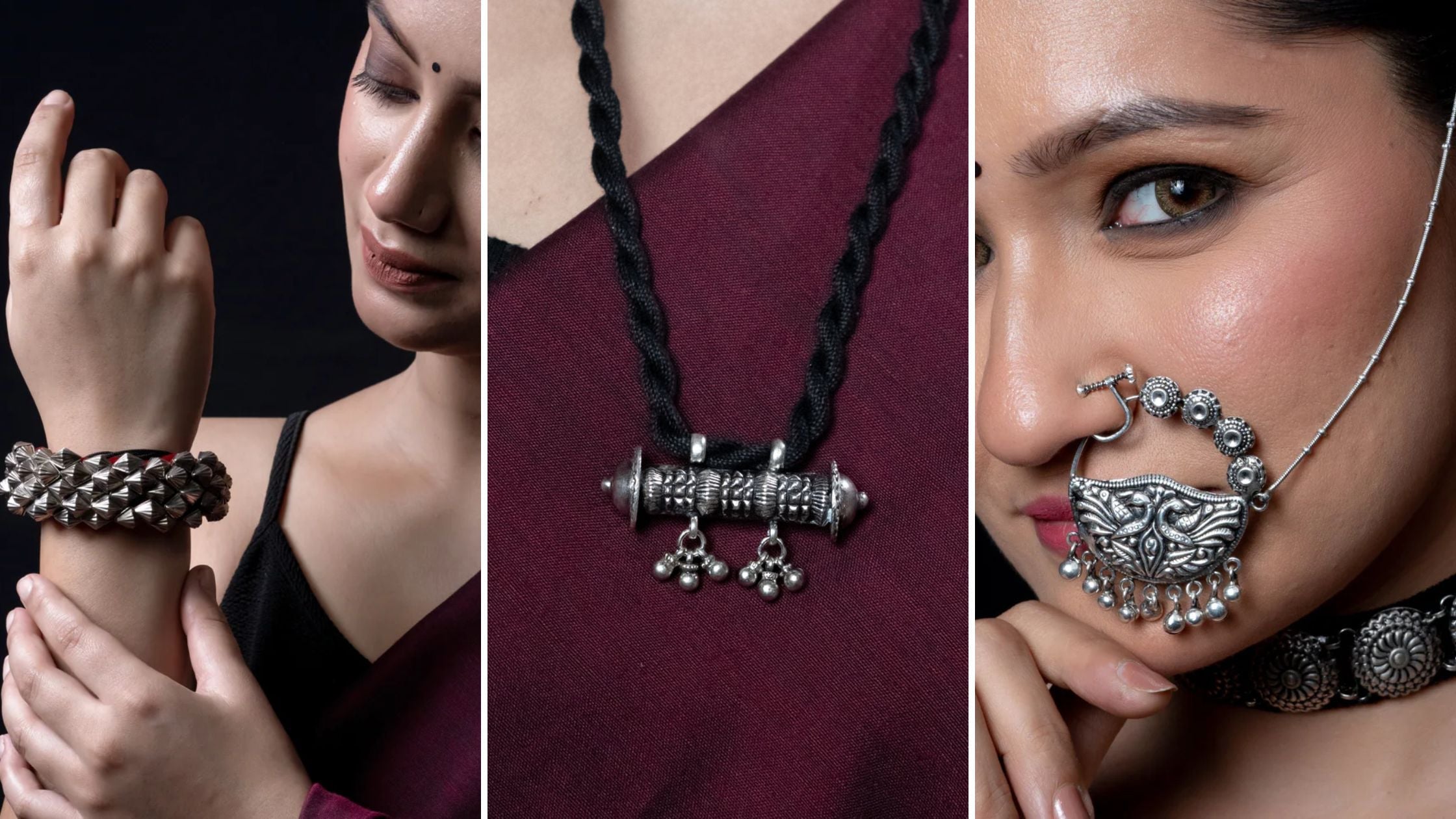
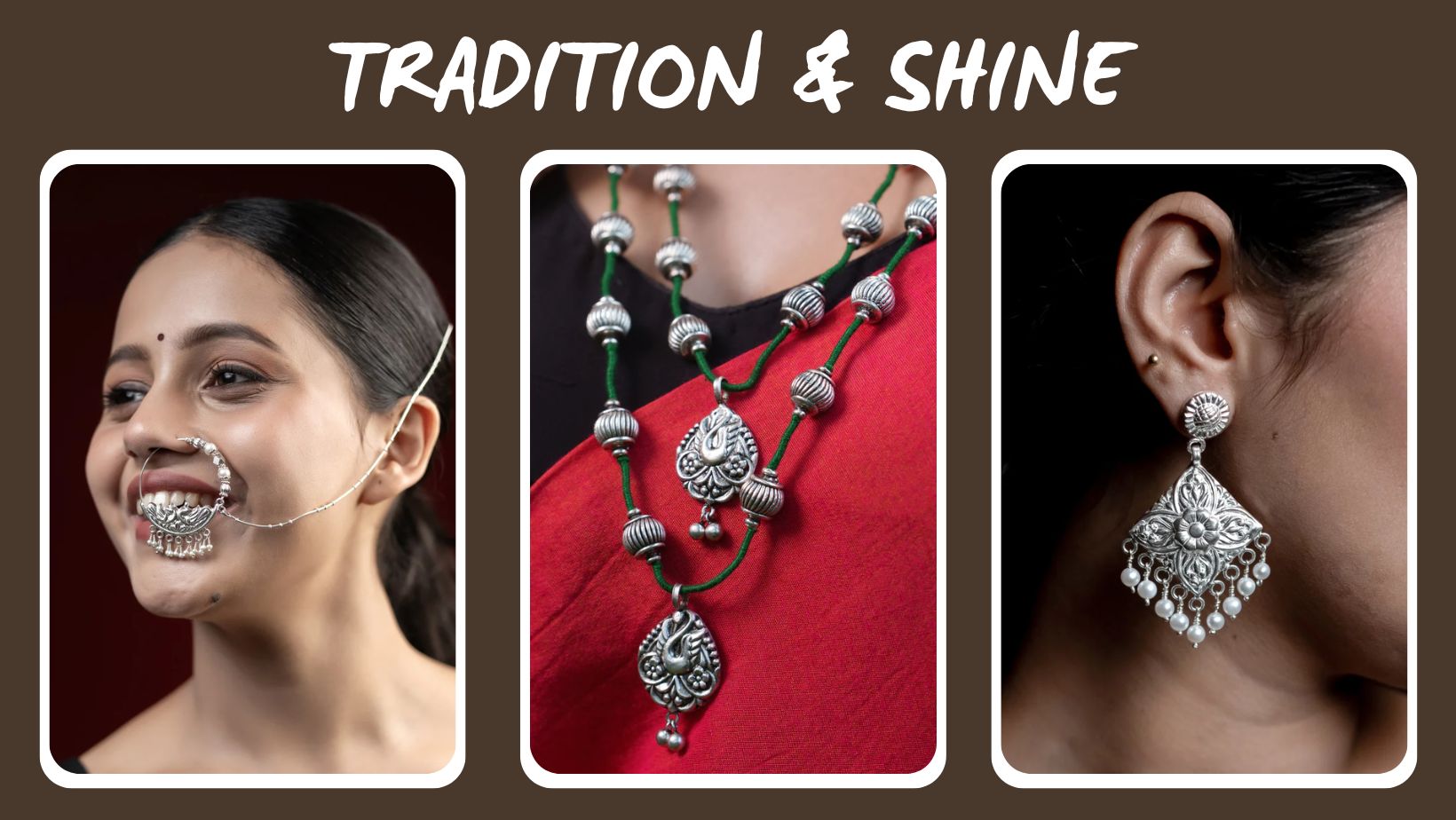
Look at the detail on a Hasuli choker. The way the conch shell beads of a Pahuchi cuff sit just so. The wheat-grain precision of a Jau Matarmala.
None of that happened by accident. Someone sat for hours with 92.5 silver in their hands, a 200-year-old mould on their workbench, and a lifetime of knowledge in their fingertips, making it exactly right.
That's the artisan story behind Ejaa's Pahadi jewellery. And now, every time you put a piece on, you carry a small piece of that story with you.