




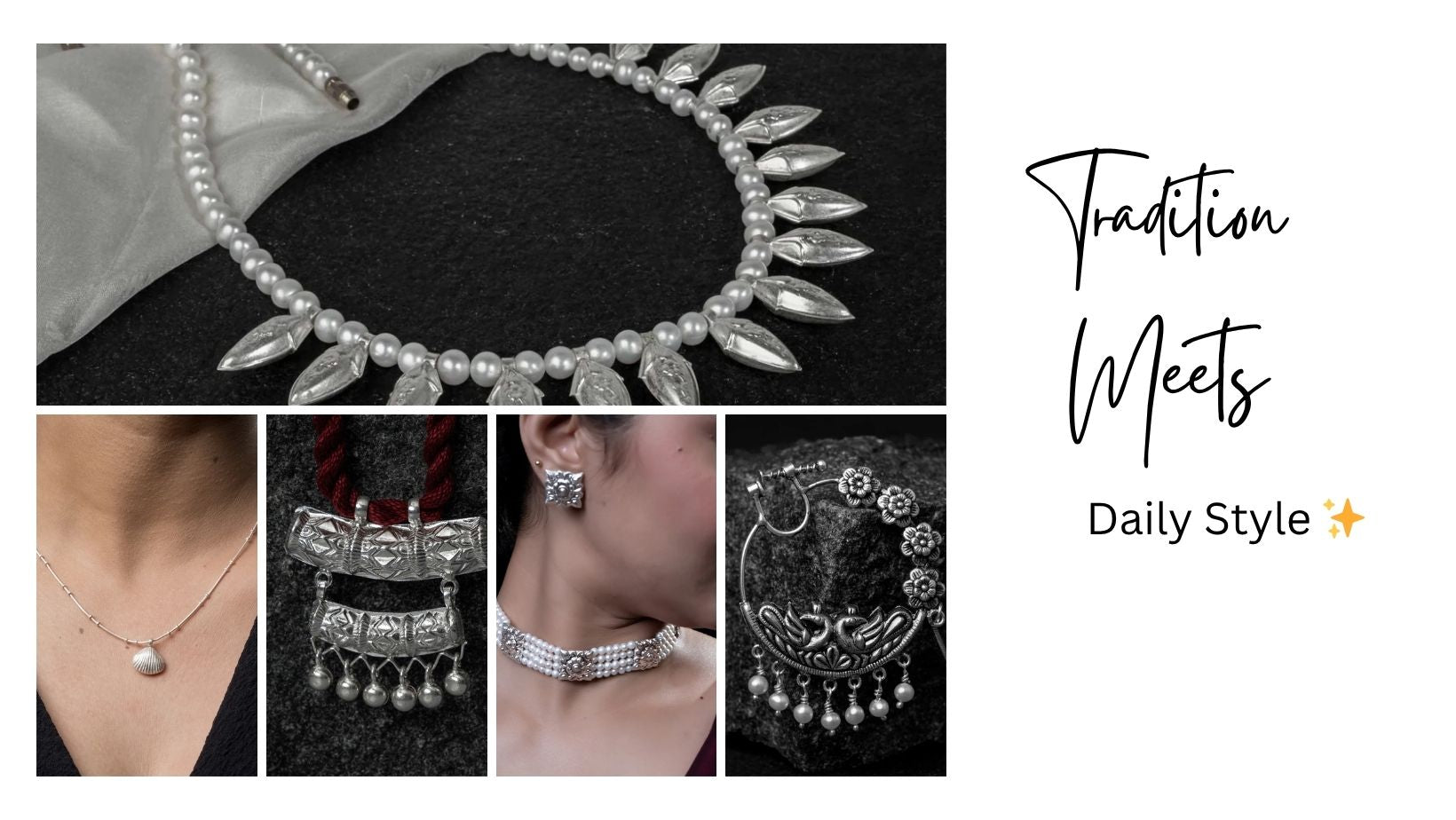
How to Style Pahadi Jewellery for Everyday Wear (Not Just Festivals)

There’s a certain magic in a well-crafted silver choker or a pair of oxidized Kumaoni jhumkas. But somewhere along the way, we started saving them for weddings and festivals tucked away in velvet boxes, waiting for a “special occasion” that never seems everyday enough.
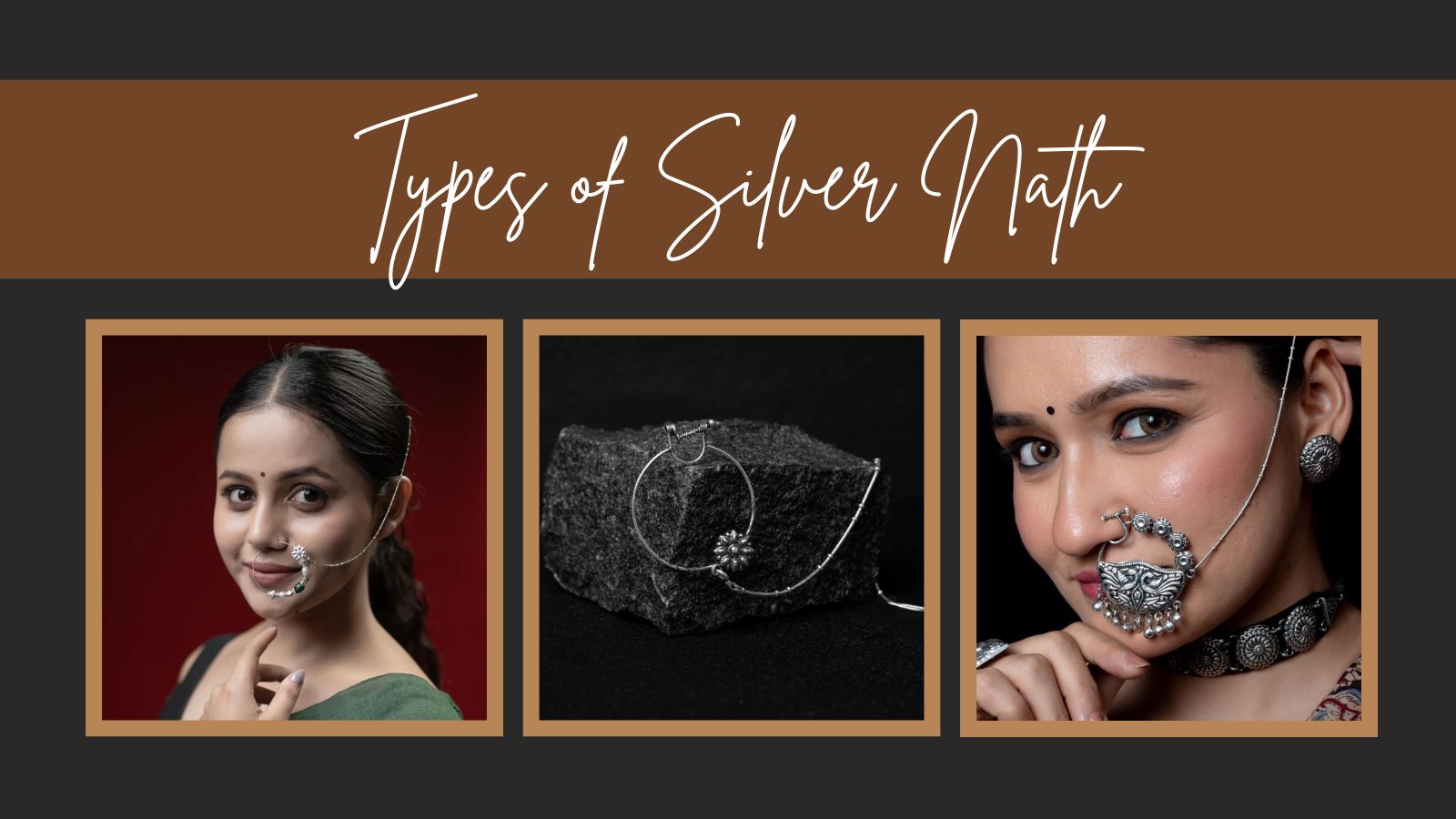
Here’s the thing: Pahadi jewellery was never meant only for celebrations. The women of Kumaon and Garhwal wore their silver, their Pahuchis, their Hasuli, their Nath through mountain mornings, market days, and ordinary afternoons. It was simply part of how they dressed.
If you’ve been wondering how to wear Pahadi jewellery every day in India without overdoing it, this guide is for you.
Why Pahadi Silver Works Beautifully for Daily Wear
Traditional Pahadi jewellery, especially in silver, has qualities that make it genuinely practical for regular use:
• Lightweight by design: Many traditional Pahadi pieces are hollow or structured to be comfortable for all-day wear.
• Adjustable sizing: Pieces like Pahuchi bracelets and Kada are designed with flexibility, no fuss, no clasp anxiety.
• Oxidized silver doesn’t need constant polishing: Its dark, antique finish is low-maintenance compared to bright silver.
• Genderless appeal: Many Pahadi pieces, chains, rings, and kadas aren’t coded as “feminine” or “masculine,” making them versatile for anyone.
Start Small: The ‘One Piece’ Rule
The most common mistake? Wearing too much at once and then deciding it “looks too traditional for everyday.”
Start with one statement piece per outfit. A single oxidized silver pendant on a kurta. A slim Pahuchi on one wrist with a plain salwar set. A chain worn under a shirt collar, just peeking out.
Once you see how effortlessly it integrates, you’ll build confidence to layer more.
Pahadi Jewellery Everyday Styling Tips: By Outfit Type
With a Casual Kurta or Kurti
This is the sweet spot for Kumaoni jewellery and casual wear in India. The fabrics cotton, linen, and handloom pair naturally with handcrafted silver.
• Wear a slim silver Guluband (choker) with a round or scoop-neck kurta.
• A pair of small oxidized jhumkas with a plain or block-print kurti keeps the look easy but intentional.
• One Pahuchi on each wrist works like a set of bangles, relaxed and traditional at once.

With Western or Indo-Western Outfits
Pahadi silver jewellery holds its own with denim, linen trousers, or a plain white shirt. The contrast between rustic silver and clean Western basics is actually very on-trend right now.
• A Pahadi silver chain worn over a white shirt or plain tee instantly elevates a basic outfit.
• Silver hoop earrings (especially the wider Pahadi-style hoops) work perfectly with high-waisted jeans and a fitted top.
• A single Kada on the wrist, worn alone, reads as intentional jewellery, not costume.
For Work or Office Settings
Yes, you can absolutely incorporate silver Pahadi jewellery in daily outfit ideas for the office. The key is restraint.
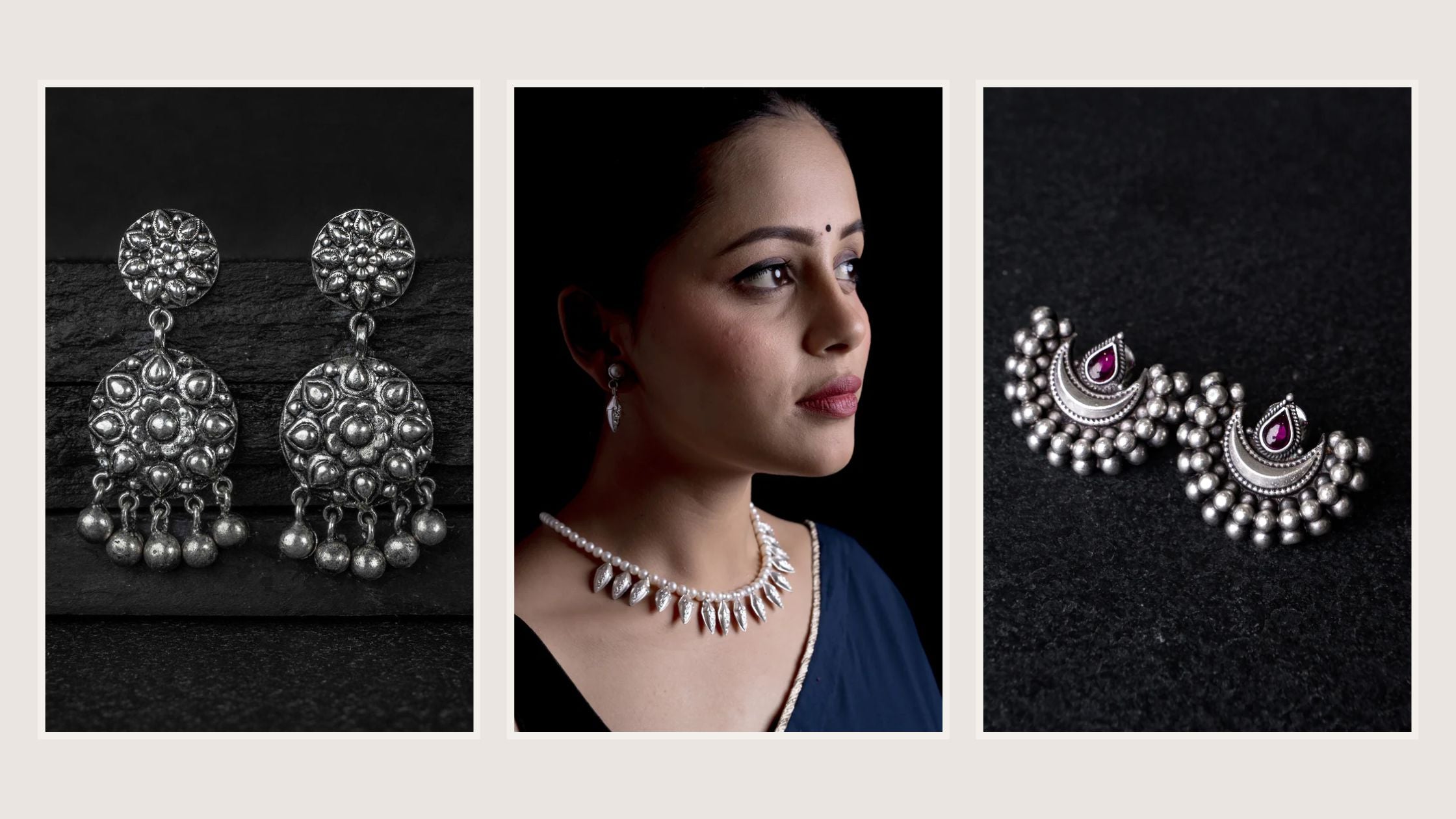
• Stud earrings or small drops: Intricate Pahadi studs add character without demanding attention.
• A delicate silver pendant: Worn on a short chain, it works under a shirt collar or over a formal blouse.
• A slim ring: Pahadi silver rings with traditional motifs are subtle enough for meetings yet meaningful enough to start a conversation.
How to Layer Without Overdoing It
Layering Pahadi jewellery is an art, but it’s not complicated once you understand the basic rule: keep pieces from the same metal family and vary the scale.
For example:
• A wider Guluband (choker) + a longer thin chain below it = effortless layering.
• A Pahuchi bracelet on one wrist + a slim silver ring on the opposite hand = balanced, not heavy.
• Small earrings + one bold necklace. Or statement earrings + no necklace. Pick one focus.
Colour Pairings That Always Work
Silver Pahadi jewellery is naturally versatile, but certain colour combinations bring out the best in it:
• Earthy tones rust, ochre, terracotta, olive: the oxidized silver reads as an extension of the palette.
• White and off-white: silver pops cleanly against light neutrals.
• Deep indigo and navy: a classic pairing with Pahadi silver, borrowed from traditional Uttarakhand aesthetics.
• Black: always powerful. A statement Pahadi piece against all-black feels modern and rooted at once.
5 Pahadi Pieces Worth Owning for Everyday Wear
If you’re building a Pahadi jewellery collection for regular use, start with these versatile pieces:
• Oxidized silver hoops or drops: the most wearable earring for any occasion.
• A slim Pahuchi adjustable, lightweight, and effortlessly traditional.
• A Guluband or short silver choker: pairs beautifully with round and boat-neck necklines.
• A Pahadi silver chain or pendant, the everyday necklace that quietly says everything.
• A classic silver ring with a traditional motif:- wears it on any finger, any day.

The Bigger Picture: Wearing Culture, Not Just Jewellery
There is something quietly powerful about wearing Pahadi jewellery on an ordinary Tuesday, not at a wedding, not at Diwali, just on a regular day. It’s a small act of cultural continuity.
The artisans who made your bracelet or your choker learned the craft from their parents. The moulds used to shape your earrings may be a century old. When you wear these pieces on a Wednesday morning, you’re not just accessorizing. You’re keeping something alive.
That’s the Ejaa philosophy. Jewellery that belongs in your everyday life, not just your special occasions.
FAQs
1. Can I wear Pahadi jewellery with modern Western outfits?
Absolutely. Silver Pahadi jewellery, especially oxidized pieces, pairs surprisingly well with contemporary Western clothing. A simple silver chain worn over a plain tee, or Kumaoni-style hoops with jeans, creates a fusion aesthetic that feels effortless rather than forced. The key is to let the jewellery be the focal point rather than competing with a busy outfit.
2. Is silver Pahadi jewellery durable enough for daily wear?
Yes, silver, especially when crafted well, is highly durable. Oxidized silver pieces are particularly low maintenance since the dark patina is part of the finish. The main thing to avoid is exposure to perfume, chlorine, and moisture directly on the piece. Store it in a dry place and clean gently with a soft cloth when needed.
3. How do I know which Pahadi piece suits a minimal everyday look?
For minimal daily wear, focus on size and scale. Small stud earrings, slim chains, thin rings, or a single Pahuchi on one wrist are all ideal. Avoid anything with heavy stones or very large dimensions if you’re going for a relaxed everyday aesthetic. The best minimal Pahadi pieces have intricate detailing that rewards a close look without demanding attention from across a room.
4. Can men wear Pahadi jewellery casually?
Yes, and this is very much part of the Ejaa philosophy. Many traditional Pahadi pieces like chains, Kadas, and rings are genderless by design. A silver chain worn under a shirt, a slim Kada on the wrist, or a minimalist ring are all ways men can incorporate Pahadi jewellery into a daily casual look. The mountain culture from which this jewellery comes is one that never really drew sharp lines between who could wear silver.
5. What is the difference between oxidized and polished silver for everyday use?
Oxidized silver has a darkened, antique finish that highlights the carved or textured details of a piece. It requires less upkeep day-to-day since it doesn’t show fingerprints or light tarnish as noticeably. Polished (bright) silver has a shinier, more formal look and will tarnish to a matte grey over time without regular cleaning. For everyday casual wear, oxidized silver is generally more forgiving and easier to maintain.