




What is 92.5 Sterling Silver? Everything You Need to Know Before Buying

92.5 sterling silver is real silver made of 92.5% pure silver and 7.5% copper, blended to give it the strength that everyday jewellery needs. It's the standard purity for silver jewellery in India, marked with a "925" stamp and recognised by the Bureau of Indian Standards (BIS) as an official hallmark grade.
You've probably seen it on labels already, stamped inside rings, on the back of earrings, or on tags tied to necklaces in boutique jewellery stores: 92.5, 925, Sterling Silver. But what does it actually mean, how does it differ from 999 silver, and why should you care before you spend your money? This guide breaks it all down without the jargon, so you know exactly what you're buying.
First, the 92.5 Sterling Silver Meaning in India
Sterling silver is not pure silver. Pure silver 99.9% is actually too soft to hold a shape well. It bends, it scratches, and it won't survive daily wear.
So jewellers mix it with another metal, usually copper, to make it stronger. The result?
92.5% pure silver + 7.5% other metal (typically copper) = Sterling Silver.
That's it. That's the whole formula. Put simply, 92.5 silver means that out of every 1,000 parts of metal, 925 are pure silver.
In India, when you see "92.5 silver" or "925" stamped on a piece, it means the jewellery meets this international standard. It's a mark of quality recognised globally, from London to Tokyo to Mumbai.
Sterling Silver 925: What Does It Mean on a Stamp?
The number 925 is literally the shorthand for 92.5%. It's a hallmark, an official mark of purity stamped directly onto the metal.
Think of it like a BIS hallmark on gold. It tells you exactly what you're buying.
Here's what different silver stamps mean:
• 925 → Sterling Silver (92.5% pure), the gold standard for jewellery
• 999 → Fine Silver (99.9% pure), too soft for most jewellery; used for coins
• 800 → Lower grade silver 80% pure, found in older European pieces
• No stamp → Be careful. Could be silver-plated or a different metal entirely
At Ejaa, every piece is hallmarked 92.5 because anything less is a compromise on craft and on the customer.
Is 92.5 Silver Real Silver? (The Question Everyone Asks)
Yes. Absolutely, completely, unequivocally yes.
92.5 silver is real silver. The 7.5% copper doesn't make it "fake", it makes it functional. Copper gives the silver structural integrity without changing its look, feel, or value in any meaningful way.
Here's a quick way to think about it:
Pure 24k gold is also too soft to wear every day. That's why most gold jewellery is 22k or 18k mixed with other metals for durability. No one calls those "fake gold."
Same logic. Same principle.
92.5 silver is real. 92.5 silver is quality. Don't let anyone tell you otherwise.

Why 92.5 Silver Jewellery is the Smart Choice in India
India has a long, deep relationship with silver. Across cultures Pahadi, Rajasthani, tribal, South Indian silver has always been the people's metal. Sacred, cooling, grounding.
But not all silver sold in Indian markets is equal. Here's why 92.5 matters specifically when you're buying in India:
1. It's a Certified Standard
The Bureau of Indian Standards (BIS) recognises 925 as a hallmarked purity level. When you buy 92.5 silver from a certified seller, you have consumer protection.
2. It Lasts
92.5 silver, when cared for properly, doesn't just last years it lasts generations. At Ejaa, we've retrieved moulds over 200 years old from our archive. The silver pieces made from those moulds are still intact, still beautiful, still being passed down.
3. It Looks Better Over Time
Oxidised 92.5 silver the kind with a dark, antiqued finish develops character with age. The patina deepens. The motifs pop. It doesn't age. It matures.
4. It's Hypoallergenic (Mostly)
Pure silver is one of the least reactive metals for skin. The small copper content in 92.5 sterling means most people wear it comfortably every single day with no redness, no irritation.
92.5 Silver vs Silver-Plated: Know the Difference
This is where buyers get hurt. Silver-plated jewellery looks identical to sterling silver until it doesn't.
|
Feature |
92.5 Sterling Silver |
Silver-Plated |
|
Composition |
92.5% pure silver throughout the piece |
Thin silver coating over a cheap base metal |
|
Durability |
Lasts decades with basic care |
Fades, chips, and peels within months |
|
Hallmark |
Stamped 925, and BIS-hallmarked when bought from a certified seller |
No standard stamp |
|
Resale Value |
Holds its value over time |
None |
|
Price |
Higher upfront, worth every rupee |
Cheaper to buy, but costs you more in the long run |

How to Care for Your 92.5 Silver Jewellery
Silver needs a little love. Here's what works:
• Store it dry. Moisture is silver's enemy. Keep pieces in a cloth pouch or a box, away from humidity.
• Keep it away from perfume and chemicals. Spray your scent first, wear your jewellery after.
• Wipe after wearing. A soft, dry cloth after each use keeps tarnish at bay.
• Don't panic about tarnish. A slight darkening is natural. It's chemistry, not damage. A gentle rub with a silver polishing cloth brings it right back.
• Oxidised silver needs even less. The dark finish is part of the design. Just wipe gently and let it be.
Why Ejaa Uses 92.5 Silver And Nothing Less
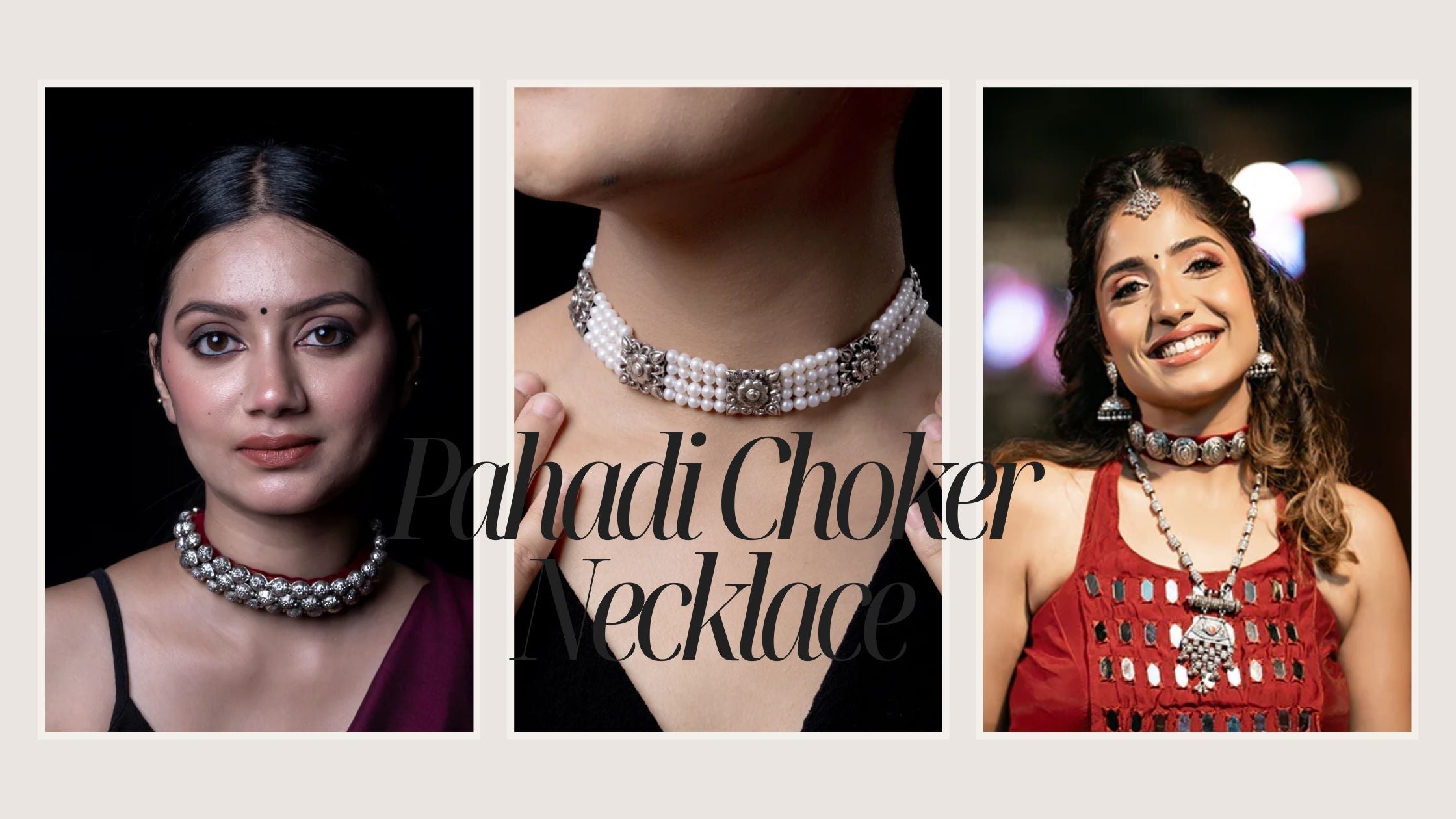
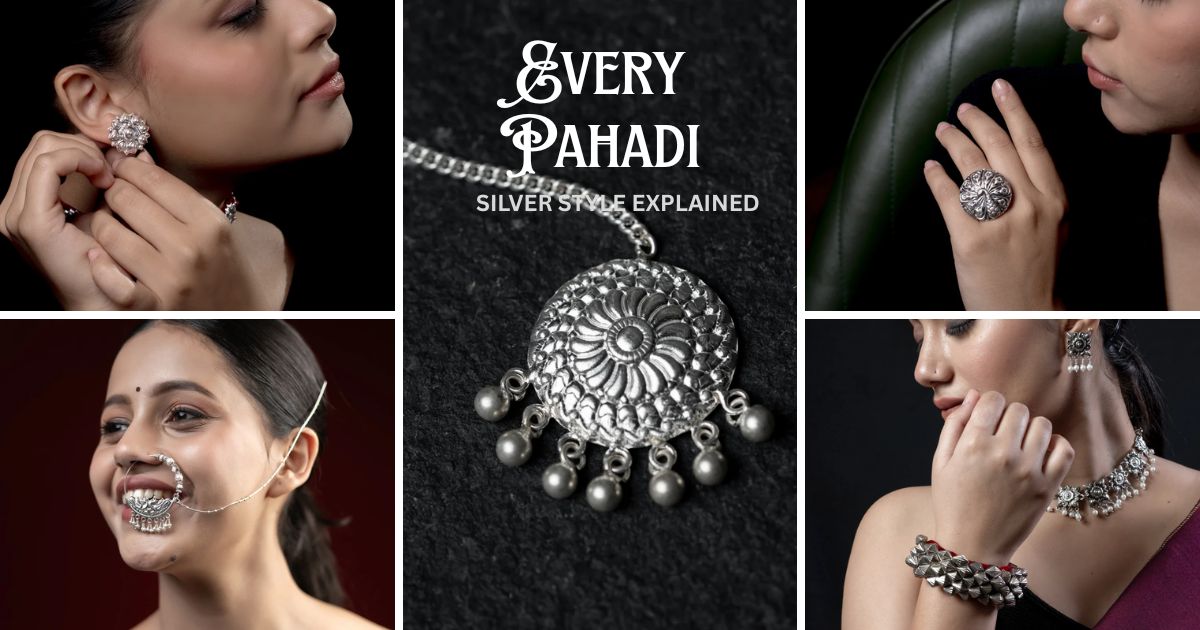
At Ejaa silver isn't just a material. It's the medium through which our Pahadi silver jewellery carries Kumaoni heritage forward.
Every piece from a Guluband choker to a Pahuchi bracelet is crafted in hallmark 92.5 silver by artisans in Haldwani, Uttarakhand. The same silver. The same hands. The same traditions that have been alive in these hills for centuries.
We use 92.5 because it is the right standard for jewellery that is meant to last. Not just for a season. Not just for a trend.
For a lifetime. And then some.
The Bottom Line
92.5 sterling silver meaning in India comes down to this: it is the purest, most durable form of silver used in jewellery. It is real silver. It is certified silver. It is the standard that separates quality jewellery from everything else on the market.
Before you buy, check for the stamp. Ask for the hallmark. Know what you're bringing home.
Because jewellery rooted in culture and craft deserves to be bought with just as much intention as it was made.
Explore Ejaa's full collection of handcrafted 92.5 Pahadi silver jewellery pieces made in the hills of Uttarakhand, designed to carry your story forward.
Frequently Asked Questions
1. What does 92.5 sterling silver mean in India?
It means the jewellery is made of 92.5% pure silver and 7.5% other metals, typically copper. This blend is the internationally recognised standard for sterling silver, marked as 925 and is certified by the Bureau of Indian Standards (BIS) in India.
2. Is 92.5 silver the same as pure silver?
Not exactly, but it's the best silver for jewellery. Pure silver (999) is too soft to hold its shape as wearable jewellery. The 7.5% copper added to sterling silver makes it strong enough for rings, necklaces, earrings, and bracelets without compromising the look or the value.
3. How do I know if my silver jewellery is real 92.5 or fake?
Look for the 925 stamp on the piece itself, usually inside a ring band, on a clasp, or on the back of an earring. Authentic sterling silver is always hallmarked. If there's no stamp, that's a red flag. You can also do a simple magnet test: real silver is not magnetic. If the piece sticks to a magnet, it's likely a base metal with a silver coating.
4. Does 92.5% silver tarnish, and how do I prevent it?
Yes, 92.5% silver can tarnish over time. This is normal and happens due to air and moisture, not poor quality. To prevent it, store jewellery in a dry, airtight pouch, avoid contact with perfume, sweat, and water, and wipe it after use.
5. Why is 92.5 silver used in traditional Pahadi jewellery?
92.5 silver is widely used in traditional Pahadi jewellery because silver holds deep cultural value in Uttarakhand, symbolising the mountains, moon, and natural energy. It also made intricate gold designs more affordable and wearable for daily use.